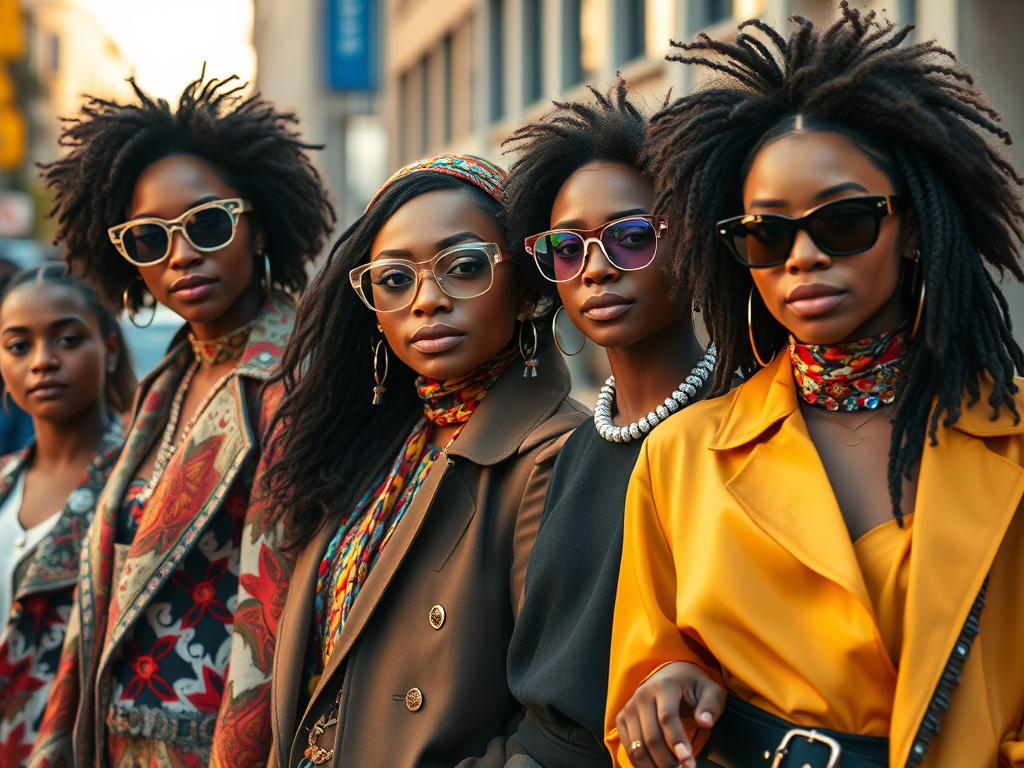

Fast fashion retailers are frantically taking notes. Luxury brands are “discovering” aesthetics that have existed in minority communities for decades. Influencers are copying looks without crediting the originators. And everyone’s acting surprised that minority style is, once again, defining what’s next.
Surprised? We’re not.
Minority communities have always been fashion’s secret research and development department—creating the trends that will dominate runways and Instagram feeds two to five years later, usually without credit or compensation.
The Trend Cycle Is a Colonial Enterprise
Here’s how it typically works: a style emerges organically in a minority community—usually out of necessity, cultural tradition, or creative expression. It gets mocked, dismissed, or actively suppressed. Then, a white celebrity or designer “discovers” it, repackages it with a new name, and suddenly it’s revolutionary.
Cornrows become “boxer braids.” Traditional Asian silhouettes become “minimalist Scandi style.” Latinx streetwear becomes “urban chic.” Indigenous jewelry and patterns get sold as “bohemian” or “festival fashion.”
The pattern is exhausting and insulting. But more than that, it’s theft—cultural and economic.
When Kim Kardashian’s shapewear line was originally called “Kimono,” she was literally trademarking a centuries-old Japanese garment. When fashion brands sell sage bundles as “wellness products” without acknowledging (or compensating) Indigenous communities, it’s not appreciation—it’s appropriation dressed up as commerce.
Street Style as Innovation Lab
The most exciting, boundary-pushing fashion has always come from the streets, not the runways. And on the streets, minority youth have been the ultimate innovators.
Black style has shaped global fashion repeatedly: from the dandyism of early jazz era, to the bold patterns and colors of the Black Power movement, to hip-hop’s influence on streetwear, to the current explosion of Afrofuturism in high fashion. Each era brought new aesthetics that eventually filtered up to luxury brands who sold it back at markup prices.
Latinx communities pioneered the mixing of athletic wear with high fashion long before Balenciaga made it runway-worthy. The cholo aesthetic, pachuco style, and chonga fashion have influenced everything from makeup trends to silhouettes—though rarely with credit.
Asian street style—whether Japanese Harajuku, Korean streetwear, or South Asian fashion—has consistently pushed boundaries with gender-fluid silhouettes, bold mixing of patterns, and avant-garde accessories. Now, every fast fashion brand has a “K-fashion” section, but how many actual Korean designers are getting those retail deals?
Beauty Standards on Our Terms
For the longest time, Western beauty standards were the only standards. Eurocentric features were considered universal ideals, and everyone else was expected to assimilate or stay invisible.
But social media has allowed minority communities to create and celebrate their own beauty standards—and increasingly, the mainstream is following.
The influence of K-beauty and J-beauty has completely revolutionized skincare routines globally. The “glass skin” and “cloudless skin” aesthetics, the 10-step routines, the emphasis on skin health over heavy coverage—these weren’t Western innovations, but they’re now considered cutting-edge everywhere.
Black women’s embrace of natural hair has sparked a global movement. The return to locs, braids, afros, and protective styles isn’t just personal—it’s political. And now, after decades of Black women being told their natural hair was “unprofessional,” everyone wants textured hair products and “effortless waves.”
Bold makeup looks, dramatic lashes, elaborate nail art—all pioneered by Black and Latinx beauty communities—have become mainstream beauty standards. What was once considered “too much” is now aspirational.
Gender-Fluid Fashion’s Minority Roots
The fashion industry loves to act like gender-fluid fashion is a brand new concept. It’s not.
Many cultures have traditions of gender-nonconforming dress that predate Western colonization. Indigenous Two-Spirit people, South Asian hijra communities, and various African cultures have long recognized gender diversity in dress and presentation.
In modern fashion, queer BIPOC communities have been at the forefront of breaking down gender barriers in style. Ballroom culture gave us some of the most innovative gender expression in fashion history. Black and Latinx trans women have been serving looks that high fashion is only now catching up to.
When luxury brands finally put men in skirts or women in traditionally masculine tailoring, they’re not inventing anything. They’re copying what minority queer communities have been doing for decades—but with bigger budgets and press coverage.
Sustainable Fashion’s Overlooked Origins
Everyone wants to talk about sustainable fashion now, but minority communities have been practicing sustainable style out of necessity forever.
Thrifting, upcycling, and clothing swaps weren’t trendy—they were survival. Custom tailoring and alterations weren’t aesthetic choices—they were how you made limited resources last. The “slow fashion” movement that wealthier consumers are now embracing is just how many immigrant and low-income families have always operated.
And traditional garment-making techniques from various cultures—hand-dyeing, natural fibers, slow construction—are suddenly “artisanal” when sold by Western brands, but were devalued when made by the people who originated them.
The Economics of Being the Blueprint
Here’s the painful part: being fashion’s blueprint doesn’t translate to economic power when the people copying you have all the resources.
When a major brand copies a minority designer’s work, they have the manufacturing capacity, marketing budget, and retail distribution to dominate the market before the original creator can even launch. Fast fashion can knock off styles in weeks. Luxury brands can file trademarks before communities can protect their cultural heritage.
This isn’t just about credit—it’s about money, access, and power. When your style becomes everyone’s style but you’re still struggling to get retail placement or funding, something is fundamentally broken.
Demanding More Than Credit
The future of fashion needs to be more than just inspiration—it needs to be equitable.
That means minority designers getting backed by venture capital and major retailers at the same rates as white founders. It means crediting cultural origins instead of erasing them. It means paying royalties when traditional designs are used commercially. It means hiring minority people at every level of fashion companies, not just as models or “diversity consultants.”
Minority style will always be tomorrow’s trends because our creativity, resilience, and cultural wealth make us natural innovators. But we’re done being mined for inspiration without compensation.
The blueprint has always been ours. Now it’s time for the ownership to be too.