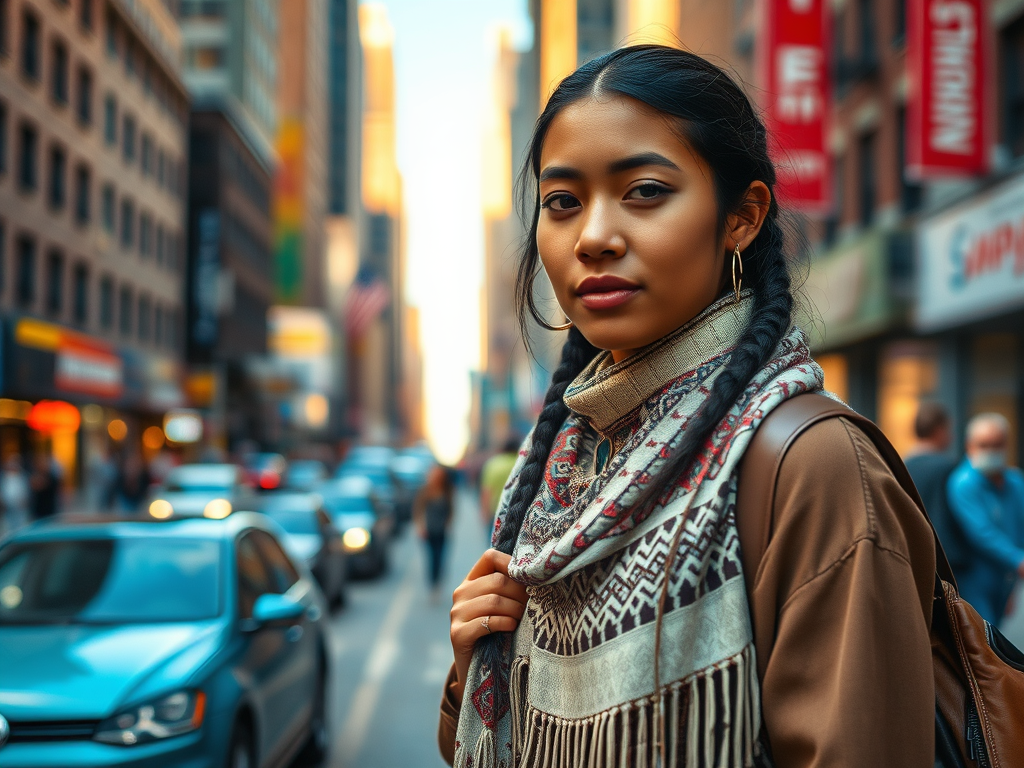

The moment someone says “Native American,” what image pops into your head? Let me guess: feathers, teepees, maybe a casino? Here’s the thing—if that’s your first thought, you’ve been watching too many old westerns and not enough reality.
The Reality Check You Need
Native Americans aren’t museum exhibits frozen in the 1800s. There are 574 federally recognized tribes in the United States, representing hundreds of distinct cultures, languages, and traditions. Some live on reservations. Many don’t. Some speak their ancestral languages fluently. Others are working to reclaim languages that were nearly erased by forced assimilation. And all of them are living, breathing, evolving people navigating 2026 just like everyone else.
The stereotype trap works both ways. If you’re “too modern,” people question your authenticity. Wear jeans and use a smartphone? Suddenly you’re “not really Native.” But show up in regalia? Now you’re a costume. It’s exhausting, and it’s designed to keep Indigenous people locked in the past instead of recognized as contemporary power players.
Urban Native Life
Here’s what they don’t tell you: more than 70% of Native Americans live in urban areas. Los Angeles has one of the largest Native populations in the country. So does New York, Chicago, and Phoenix. These aren’t people who “left the rez”—many were born and raised in cities, products of relocation programs that tried to erase tribal identity by scattering communities.
Urban Native life means code-switching between Indigenous identity and mainstream American culture. It means finding community in cities where you might be the only Native person in your workplace, school, or neighborhood. It means potlucks that blend frybread with whatever cultural cuisine is local. It means creating spaces where Native youth can connect with their heritage without having to romanticize poverty or pretend the past 200 years didn’t happen.
Professional Native Americans Exist
Native people are doctors, lawyers, engineers, artists, educators, tech founders, and everything in between. They’re serving in the military at higher rates than any other ethnic group. They’re building businesses, running for office, creating apps, producing films, and dominating in fields that supposedly aren’t “traditionally Native.”
The problem? Invisibility. When you’re successful and Native, people often don’t see the Native part. You’re just “American” until you speak up about Indigenous issues—then suddenly you’re “too political” or “playing the race card.” The success stories exist, but they’re rarely amplified the way they should be.
Modern Traditions Aren’t Contradictions
Tradition doesn’t mean stagnation. Native communities have always been innovative, adaptive, and forward-thinking. Using social media to teach Indigenous languages isn’t “diluting culture”—it’s evolving with the times. Recording traditional songs digitally isn’t sacrilege; it’s preservation. Creating contemporary Native art that incorporates modern themes and techniques isn’t abandonment of heritage; it’s proof that Native culture is alive and thriving.
Young Native people are blending ancestral knowledge with modern life in ways that honor both. They’re reclaiming traditional foodways while also hitting up the same restaurants as everyone else. They’re practicing ceremonies and also binge-watching Netflix. They’re complex, multidimensional people—not characters in a historical drama.
The Challenges Are Real
Let’s not sugarcoat it: Native communities face systemic challenges that are direct results of colonization, genocide, and ongoing discrimination. Poverty rates on many reservations are staggering. Healthcare access through the Indian Health Service is criminally underfunded. Education systems continue to fail Indigenous students. Substance abuse, suicide rates, and missing and murdered Indigenous women crisis all stem from generational trauma and institutional neglect.
But here’s what matters: Native people are fighting back. They’re building sovereign economies, running their own schools, creating culturally-grounded mental health programs, and demanding accountability from governments that have broken treaty after treaty.
What You Can Do
Stop expecting Native people to educate you for free. Google exists. So do books, documentaries, and Native-created content across every platform. Follow Native journalists, artists, activists, and thought leaders. Support Native-owned businesses. Advocate for policy changes that honor treaty rights and support tribal sovereignty.
Most importantly? See Native people as they actually are—not as relics of the past or noble savages or casino owners. See them as your coworkers, your neighbors, your fellow activists, your future leaders. See them as people living full, complicated, contemporary lives who happen to carry forward ancestral legacies while also creating new ones.
The stereotype dies when you refuse to participate in it. Native American life in 2026 is diverse, dynamic, and damn well thriving—despite centuries of attempts to make it disappear.
If you’re struggling, you don’t have to carry it alone. In the U.S., call or text 988 to reach the Suicide & Crisis Lifeline any time (press 2 for Spanish), text HOME to 741741 for the Crisis Text Line, or, for LGBTQ+ young people, contact The Trevor Project. If you’re in immediate danger, call 911.