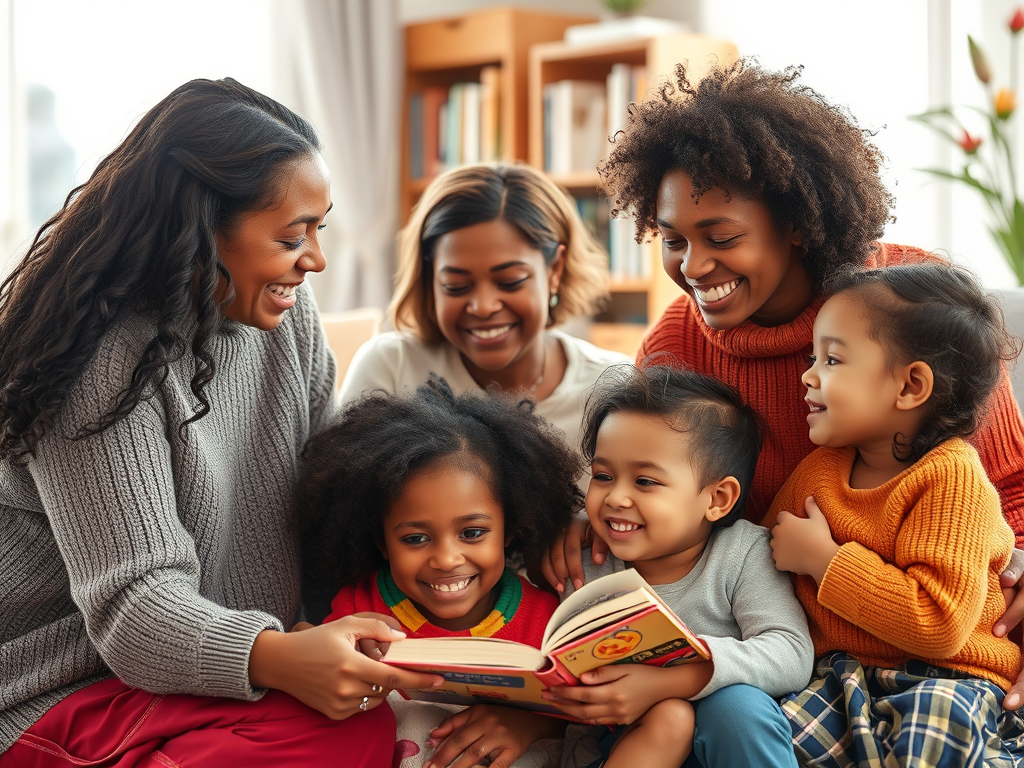

Adoption doesn’t just happen to Native children—children of color from all backgrounds are adopted into families that may not share their racial or cultural identity. The experience of growing up visibly different from your family creates unique challenges around identity, belonging, and navigating a world that sees race even when your family tries not to.
The Colorblind Adoption Myth
Many adoptive parents embrace “colorblind” approaches—claiming not to see race, insisting love transcends difference, believing their children are “just like” biological children. This approach, though well-intentioned, fails adopted children of color who face racism the family can’t see or prepare them for.
You can’t raise a Black child in a white family without addressing race. You can’t raise a Korean adoptee while ignoring Korean culture. You can’t parent a Latinx child without understanding how their identity will be shaped by how the world sees them. Colorblindness isn’t kindness—it’s erasure.
Identity Development
Transracial adoptees face complex identity development. During childhood, they may identify primarily with their adoptive family’s race/ethnicity. Adolescence often brings awareness of difference—peers treat them differently, society sees them through racial lenses, and they begin questioning who they are beyond their family context.
Young adults often seek connection to their birth cultures. This isn’t rejection of adoptive families—it’s human need for wholeness. Questions like “who would I have been if I’d stayed with my birth family?” or “where do I fit in my culture of origin?” are natural.
The Mirror Problem
Children need to see themselves reflected in their families and communities. Transracial adoptees often don’t. Family photos show they’re different. Walking in public, strangers don’t assume they’re family. They lack adults in their lives who look like them and share their racial experiences.
This matters for self-esteem and identity formation. Seeing no one like you in your closest relationships sends subtle messages about belonging—or not belonging.
Microaggressions and Outright Racism
Adoptees of color experience racism their white adoptive families may not understand or believe. Comments about being “lucky” to be adopted. Questions about their “real” parents. Assumptions about their backgrounds based on appearance. More serious incidents of discrimination in schools, stores, and social situations.
White parents can’t teach children of color how to handle racism from experience. They can listen, believe, and support—but they can’t fully prepare their children for experiences they’ve never had.
Cultural Disconnection
Growing up without connection to birth culture creates losses:
- No fluency in heritage languages
- No understanding of cultural practices and values
- No knowledge of cultural history
- No relationships with community members from that culture
- No inherited recipes, stories, or traditions
As adults, adoptees may attempt cultural reclamation—learning languages, studying history, traveling to birth countries. But adult learning differs from childhood immersion. You can gain knowledge but not the embodied belonging of growing up in your culture.
The Model Minority Burden
Asian adoptees often face model minority expectations. They’re assumed to be smart, successful, and unproblematic. The pressure to fulfill these stereotypes while navigating identity questions creates stress. Failure to meet expectations leads to disappointment and judgment.
Model minority myth also erases Asian adoptees’ struggles. Their challenges with identity, discrimination, and cultural disconnection get minimized because they’re assumed to have it “better” than other minorities.
International Adoption Complexities
Children adopted internationally face additional layers. They’re immigrants who didn’t choose to immigrate. They may have memories of birth countries or they may not. Language barriers, cultural displacement, and physical removal from homelands compound identity challenges.
Some international adoptees visit birth countries as adults, finding both connection and foreignness. They look like locals but don’t speak the language, don’t know customs, and are seen as outsiders. Not quite American, not quite Korean/Chinese/Ethiopian/Colombian—caught between identities.
Black Adoptees in White Families
Black children adopted into white families face specific challenges. Anti-Blackness means they’ll encounter racism their adoptive families cannot fully comprehend or protect them from. They need to learn to navigate predominantly white spaces while also needing connection to Black community and culture.
Hair care becomes symbolic—white parents often don’t know how to care for Black children’s hair. This seemingly small issue represents larger questions about whether parents can meet cultural needs. Learning to braid isn’t enough; children need to see and be in Black community.
Latino/a Adoptees
Latino/a adoptees may be questioned about their Spanish fluency, assumed to be immigrants, or face stereotypes their families can’t address. The diversity within Latino identity—differences between Mexican, Puerto Rican, Colombian, etc.—gets flattened into generic “Hispanic” category.
Connection to family’s home country may be impossible due to economic or political barriers. Learning about culture secondhand differs from experiencing it within family systems.
What Adoptive Parents Owe Their Children
Live in diverse communities—not tokenizing “we have Black friends” but genuinely integrated spaces where children see people who look like them. Provide access to cultural resources, events, and communities. Facilitate relationships with adults who share children’s racial/ethnic backgrounds.
Educate yourself about racism and teach your children strategies for handling it. Don’t be defensive when your children point out discrimination or express anger about their experiences. Support identity exploration even when it includes distancing from family temporarily.
Most critically: recognize adoption involved loss for your child, even if you gave them a loving home. Don’t require gratitude. Allow grief.
Supporting Adult Adoptees
If you’re an adoptee of color, your feelings about your adoption and identity are valid. Anger at being disconnected from birth culture is reasonable. Frustration with adoptive parents’ limitations is understandable. Love for adoptive family while grieving cultural loss isn’t contradiction.
Therapy with culturally competent therapists who understand adoption can help process complex feelings. Community with other transracial adoptees provides validation. Exploring birth culture—through learning, travel, or relationships—is healthy, not disloyal.
For Birth Cultures
Returning adoptees deserve welcome, not judgment. They’re not responsible for decisions made when they were children. Criticism for not speaking the language, not knowing customs, or appearing too “Americanized” adds hurt to existing wounds.
Creating spaces where returning adoptees can learn without shame helps. Recognizing that diaspora takes many forms—including forced removal through adoption—acknowledges their belonging.
Disrupted Adoptions
Sometimes adoptions fail—parents “rehome” children like unwanted pets. This disproportionately happens to children with disabilities or behavioral challenges, often children of color. The trauma of being discarded by adoptive families compounds existing abandonment wounds.
These children deserve better—before adoption through more thorough preparation and support, during adoption through resources and services, and if adoption does disrupt, through dignified transitions rather than being passed to whoever will take them.
The Bigger Picture
Transracial adoption is often presented as solution to social problems—poverty in birth countries, lack of abortion access, family crises. But it treats symptoms rather than causes. Better option: support families so children can stay home. Address poverty, provide healthcare and education, support single parents.
When adoption is necessary, prioritize keeping children within their cultures and communities. Transracial adoption should be last resort, not preferred option because white families have more resources.
Moving Forward
Adoptive parents must commit to lifelong learning about race, culture, and identity. This isn’t one-time education—it’s ongoing work. As children develop, needs change. Support must evolve.
Society must recognize that transracial adoption is complicated. It’s not simple salvation narrative. Real lives, real losses, real challenges exist alongside love and family bonds.
Adopted people of color deserve support navigating complex identities. They deserve communities that acknowledge their experiences. They deserve families that see them fully—including the parts that differ from family identity.
No child should have to choose between cultural connection and family loyalty. No adoptee should be told they’re ungrateful for wanting what was taken from them. And no family should enter transracial adoption without understanding what their children will need—not just love, but cultural connection, preparation for racism, and permission to be whole.