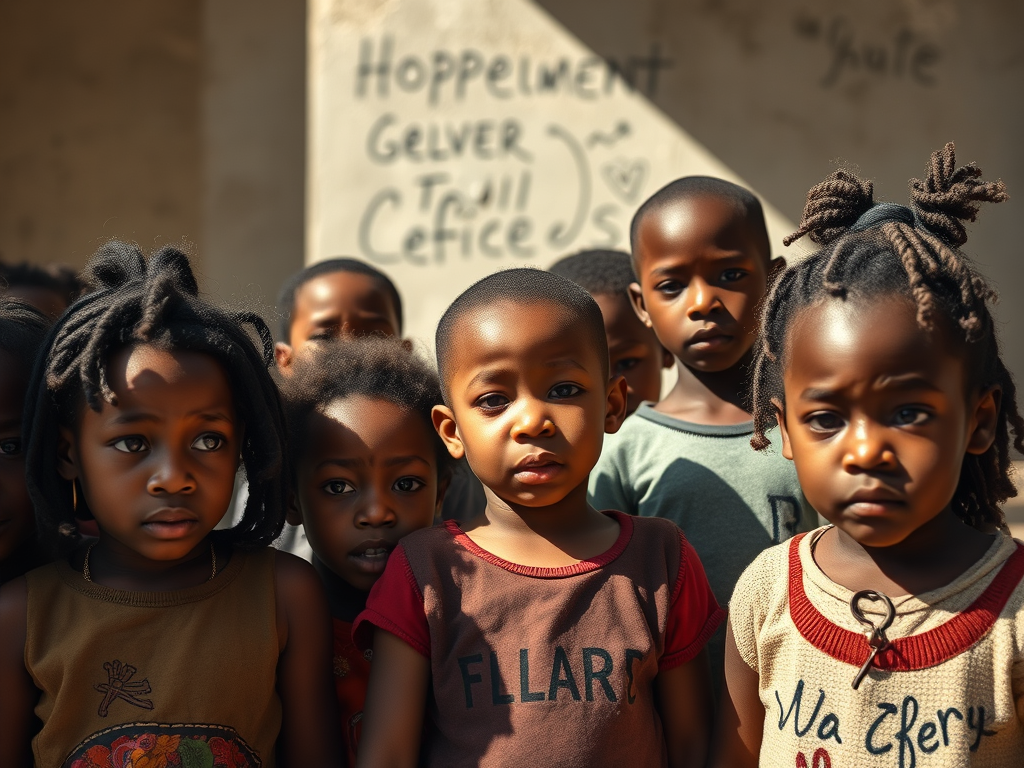

Foster care is overwhelmingly filled with children of color—not because these families are more dysfunctional, but because the child welfare system is racist. Let’s be direct about how this system continues the legacy of family separation that has always targeted marginalized communities.
The Numbers Don’t Lie
Black children are twice as likely to be placed in foster care as white children, despite making up roughly the same percentage of the child population. Native children are overrepresented at even higher rates in many jurisdictions. Latino children’s representation has grown significantly. Meanwhile, white children are underrepresented relative to population.
These disparities aren’t explained by abuse rates—they’re explained by racism. The system surveils, investigates, and removes children from families of color at disproportionate rates while often overlooking similar or worse situations in white families.
How Poverty Gets Criminalized
Much of what triggers child welfare involvement isn’t abuse—it’s poverty. Inadequate housing, food insecurity, inability to afford childcare, medical care delays—these poverty-related issues get reframed as neglect.
Families of color experience poverty at higher rates due to systemic racism. When poverty gets treated as parental failure rather than policy failure, children get removed instead of families getting support. The system punishes people for being poor while claiming to protect children.
Mandatory Reporting and Surveillance
Mandatory reporting laws require certain professionals—teachers, doctors, social workers—to report suspected abuse or neglect. Sounds reasonable, right? But in practice, this creates differential surveillance.
Families of color are more likely to interact with mandated reporters through social services, public benefits, public healthcare. Their parenting is scrutinized while wealthier white families use private services where “family support” handles similar issues without CPS involvement.
The Call Itself Is Racialized
Studies show that identical situations get reported differently based on family race. Black mothers with substance abuse issues are more likely to have children removed than white mothers with identical issues. Cultural differences in parenting—extended family involvement, different discipline approaches—get interpreted as dysfunction when they differ from white middle-class norms.
Implicit Bias in Decision-Making
Social workers, judges, and other system actors carry implicit biases affecting decisions at every level. Whether to investigate, whether findings indicate risk, whether to remove children, whether to pursue termination of parental rights—bias influences all of these.
Research shows that identical case facts lead to harsher interventions when families are Black or Native compared to white families. The system itself is racist, regardless of individual workers’ intentions.
The Trauma of Removal
Removing children from families is traumatic—period. Even when families are struggling, separation causes psychological harm. Children in foster care experience higher rates of mental health issues, developmental delays, and behavioral challenges.
For communities of color with histories of forced family separation—Indigenous peoples through boarding schools, Black families during slavery and Jim Crow—foster care placement triggers historical trauma. It’s not just individual family separation; it’s continuation of systemic attack on family integrity.
Where Children Go
Children of color placed in foster care are:
- Less likely to be reunified with families
- More likely to remain in care longer
- More likely to age out without permanency
- Less likely to be adopted
- More likely to experience multiple placements
- More likely to be placed in institutional or group settings rather than family foster homes
Each of these increases trauma and worsens outcomes.
The School-to-Prison Pipeline Connection
Children in foster care are overrepresented in juvenile justice systems. Once children enter care, especially children of color, they’re on a fast track toward criminalization. Behaviors that would be handled as discipline issues in families get treated as legal matters in foster care.
Foster youth, disproportionately youth of color, end up in juvenile detention, then adult prison, at alarming rates. The foster system is pipeline, not safety net.
What Should Happen Instead
Invest in family support before crisis. Provide housing assistance, food security, childcare, healthcare, mental health services, substance abuse treatment, and economic support. Most families want to keep their children—they need resources, not punishment.
When intervention is necessary, prioritize keeping families together with wraparound services. Use family group decision-making involving extended family and community. Respect cultural differences in family structure and parenting.
Only remove children when they face immediate serious danger—not when families are poor or different.
Kinship Care
When children can’t stay with parents, placement with extended family (kinship care) is preferable to stranger foster care. Many communities of color have strong kinship networks willing to care for children. But kinship caregivers often face bureaucratic barriers and receive less financial support than licensed foster parents.
Systems should actively support kinship placements with same resources available to traditional foster care. Grandparents, aunts, uncles, and other relatives raising children deserve full support.
Reforming the System
Child welfare needs radical transformation:
- Address poverty rather than criminalizing it
- Reduce mandatory reporting’s scope to actual abuse, not poverty-related neglect
- Invest in preventive services
- Train workers on implicit bias and cultural competence
- Include community members in decision-making
- Measure success by family preservation, not just child safety
- Hold systems accountable for racial disparities
Some advocate abolishing child welfare systems entirely and replacing them with community-based family support. That’s worth considering given the current system’s harms.
What You Can Do
If you’re a mandated reporter, be mindful of when you’re witnessing actual abuse versus poverty or cultural difference. Advocate for resources to support families rather than reporting every concern to CPS.
Support organizations working to keep families together. Advocate for policy changes addressing child welfare racial disparities. Vote for candidates who prioritize family support over family separation.
If you’re considering fostering, commit to:
- Taking children of color and understanding their specific needs
- Supporting reunification rather than hoping to adopt
- Respecting children’s cultural backgrounds
- Working with birth families rather than viewing them as enemies
- Advocating within the system for children and families
For Youth in Care
If you’re a young person in foster care, especially a young person of color, you’re navigating a system that wasn’t designed for your success. That’s not your fault. The ways you’ve been failed are system failures, not yours.
Your experiences are valid. Your anger is justified. Your desire for connection to family and culture is reasonable. Your right to be treated with dignity is non-negotiable.
Seek out adult allies who see you as fully human and support your goals. Connect with other foster youth who understand. Know your rights within the system. And remember: you are more than what happened to you, more than the system’s labels, more than the statistics.
The Bottom Line
Foster care’s overrepresentation of children of color is feature, not bug. The system extends historical patterns of destroying families of color under guise of protection. Until we acknowledge this and fundamentally transform how we support struggling families, children will continue being traumatized by system claiming to save them.
Real child protection would keep families together by addressing poverty and providing support. What we have instead punishes families for being poor and non-white, traumatizes children, and perpetuates cycles of marginalization.
This must change. Children deserve better. Families deserve better. Communities deserve better. The current system serves no one except those who profit from family destruction. Time to tear it down and build something that actually protects children by supporting their families.