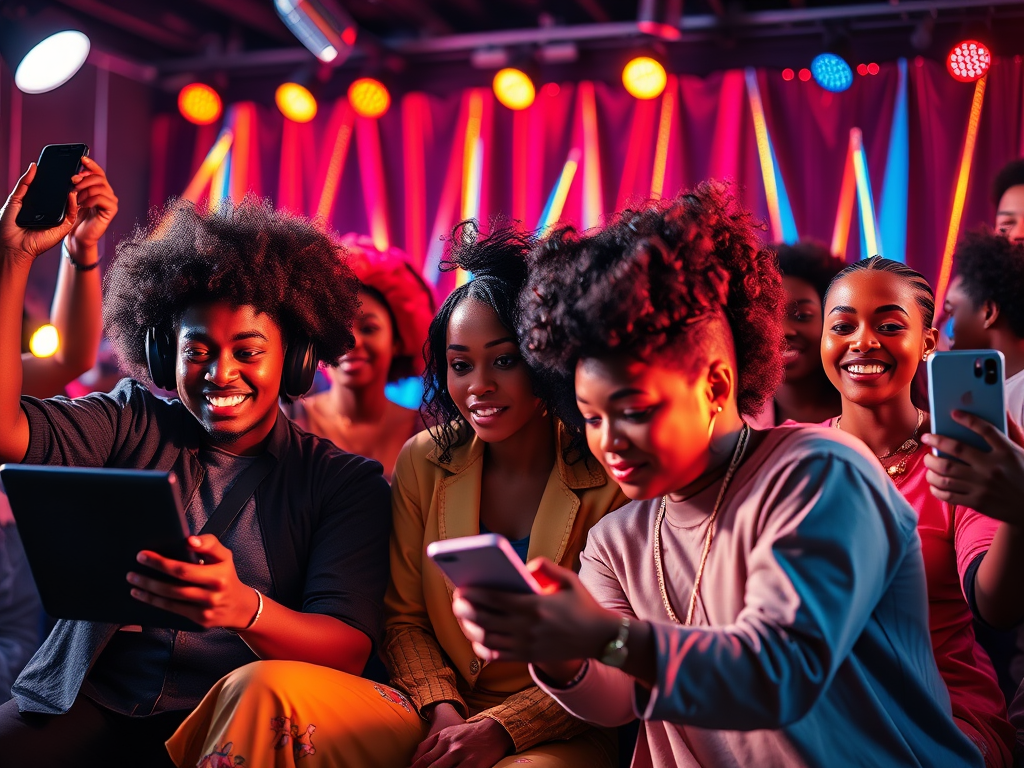

Social media went from “what are you doing?” to “how are you making money?” and minority creators are turning cultural influence into cold, hard cash—while navigating a system that profits from our content but rarely pays us fairly for it.
The Billion-Dollar Culture Creators
Let’s be real: the culture everyone’s buying? We created it. The dances that go viral on TikTok? Choreographed by Black creators. The fashion trends that brands scramble to copy? Styled by Latinx influencers. The slang that gets added to dictionaries? Coined in our communities. The makeup tutorials with millions of views? Innovated by creators of color who couldn’t find foundation in their shade.
We’ve always been tastemakers. The difference now is that there’s an infrastructure—however flawed—to monetize that influence. And we’re learning to game the algorithm, build authentic communities, and turn our expertise into income streams that don’t depend on a boss who undervalues us.
The Platform Playbook
Here’s how the platforms want it to work: you create engaging content, they serve ads around it, they keep most of the money, you get exposure. Maybe, if you’re lucky and persistent, you get into their creator fund and earn a few dollars per million views.
But savvy minority creators aren’t playing that game anymore. They’re using social media as the marketing channel, not the business model. Build an audience on Instagram, sell products on your own site. Go viral on TikTok, convert followers to a Patreon where the real money lives. Create content on YouTube, offer premium courses or coaching. The platform is the funnel, not the revenue source.
The Multiple Revenue Streams
Successful creators are digital entrepreneurs with diversified income:
Brand partnerships that pay thousands for sponsored posts—but only if you negotiate your worth and don’t let brands lowball you because you’re not a white lifestyle influencer.
Digital products like ebooks, templates, presets, guides—things you create once and sell infinitely with almost no overhead.
Courses and coaching teaching your expertise, whether that’s makeup artistry, financial literacy, fitness, language learning, or any skill people will pay to master.
Affiliate marketing earning commissions on products you recommend—though be transparent about it, because authenticity is your real currency.
Community memberships where superfans pay monthly for exclusive content, early access, or direct interaction with you.
Physical products leveraging your brand to sell merchandise, beauty lines, fashion collaborations, or whatever makes sense for your niche.
The Authenticity Tax
Here’s what minority creators deal with that others don’t: we’re expected to be authentic but not too authentic. Political but not controversial. Cultural but palatable. We walk a tightrope where showing up fully as ourselves can cost us partnerships with brands that want our audience but are uncomfortable with our actual identity.
We get asked to create content “celebrating diversity” for free because it’s “good exposure.” We watch white creators copy our content and get more engagement, more brand deals, better pay. We navigate comment sections where racism, colorism, and xenophobia are just part of the job.
And we’re supposed to be grateful for the opportunity.
Building Despite the Algorithm
The algorithm isn’t neutral. It’s been documented that TikTok suppresses content from creators with certain features, accents, or backgrounds. Instagram’s reach mysteriously drops when you talk about social justice. YouTube’s ad-friendly guidelines disproportionately penalize content about topics relevant to minority communities.
But we’re adapting. Creating content in different formats. Building email lists so we own our audience connection. Cross-posting across platforms so we’re not dependent on one algorithm. Learning SEO so our content gets discovered through search, not just social feeds.
We’re also creating our own platforms. Apps built by and for Black creators. Membership sites that don’t rely on hostile algorithms. Podcast networks that amplify minority voices without filtering them through white gatekeepers.
The Community Over Competition Shift
What’s powerful about this moment is how minority creators are collaborating instead of competing. Sharing growth strategies. Hyping each other’s launches. Calling out unfair pay practices. Creating collective power in a system designed to keep us isolated.
We’re forming creator collectives that negotiate better brand deals together. Building mentorship programs so new creators don’t have to figure everything out alone. Creating resources that demystify the business side of content creation—contracts, rates, rights, revenue models.
From Followers to Freedom
The real win isn’t follower counts—it’s financial freedom. It’s quitting the job where you were undervalued and underpaid. It’s building a business where you set your hours, choose your clients, and grow your wealth on your terms.
For minority creators who’ve faced discrimination in traditional employment, the creator economy offers something corporate America rarely does: the ability to be fully yourself and get paid for it. To turn your lived experience into expertise. To serve your community while supporting yourself.
The Sustainability Question
But let’s be honest about the challenges: burnout is real. The pressure to constantly create content, to always be “on,” to perform your life for an audience—it’s exhausting. Especially when you’re also navigating the mental toll of online racism and the financial stress of inconsistent income.
The creators who last build systems, not just content. They batch-create so they’re not always scrambling. They take breaks without guilt. They set boundaries about what they will and won’t share. They save during good months to survive the lean ones. They remember that their worth isn’t their engagement rate.
The Revolution Will Be Monetized
What’s happening isn’t just people making money on the internet—it’s a fundamental shift in who gets to profit from culture creation. For the first time, the actual creators can capture the value of their work instead of having it extracted by labels, networks, or brands.
Minority creators are building empires from smartphones. Funding our own projects. Creating jobs in our communities. Proving that influence isn’t about access to traditional institutions—it’s about connecting authentically with people who see themselves in your story.
We’re not waiting for Hollywood to greenlight us, for galleries to exhibit us, or for companies to hire us. We’re creating our own content, building our own audiences, and controlling our own revenue.
That’s not just the creator economy. That’s economic revolution, one post at a time.