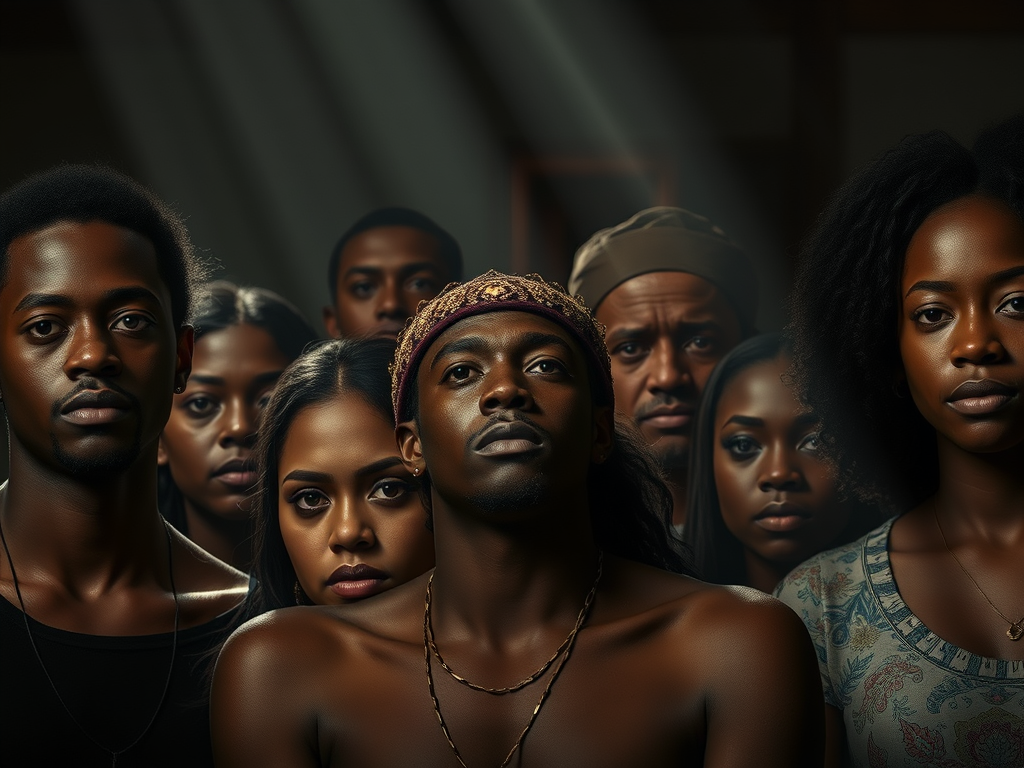

When you hear “slavery,” you probably think history books. But modern slavery is alive and thriving—and it’s hunting in communities of color with frightening precision.
Human trafficking isn’t some distant problem happening “over there.” It’s happening in massage parlors, construction sites, farms, restaurants, and homes across America. And Black, Latino, Indigenous, Asian, and immigrant communities are disproportionately targeted because traffickers know exactly which vulnerabilities to exploit.
The Numbers Don’t Lie
U.S. data consistently shows people of color are overrepresented among trafficking survivors. In one Justice Department review of federal task-force cases, about 40% of confirmed sex trafficking victims were Black. Indigenous women and girls are targeted at rates higher than any other group—on some reservations, Justice Department research found Native women are murdered at rates more than ten times the national average.
This isn’t random. Traffickers target vulnerability.
Why Communities of Color Are Targeted
Traffickers look for: people who are vulnerable, isolated, and unlikely to be believed or protected by authorities.
Economic desperation makes people take risks they otherwise wouldn’t. When you’re working three jobs and still can’t afford rent, when your family back home is starving, when there’s no legal path to the life you need—you become prey.
Immigration status is weaponized. Traffickers promise work visas, green cards, or safe passage, then trap people in debt bondage. They threaten deportation, knowing their victims fear ICE more than their abusers. Undocumented workers in agriculture, hospitality, and domestic work are especially vulnerable because they can’t report without risking everything.
Systemic racism means communities of color have less access to protective resources. Fewer police you can trust. Fewer social workers who look like you. Fewer lawyers who’ll take your case. Traffickers count on this.
Historical trauma creates patterns traffickers exploit. Generational poverty. Broken families from incarceration. Communities devastated by the war on drugs. These aren’t accidents—they’re the legacy of intentional policies. And traffickers know how to use them.
What Modern Slavery Actually Looks Like
Forget the movie version. Real trafficking rarely involves chains and kidnapping vans. It looks like:
Labor trafficking: Farmworkers locked in camps. Construction workers with wages withheld. Domestic workers with passports confiscated. Restaurant staff working 16-hour days for nothing but “room and board.”
Sex trafficking: Teens groomed by someone who seemed like a boyfriend. Women promised modeling jobs who end up in brothels. Trans women targeted because they face employment discrimination everywhere else.
Debt bondage: Immigrants charged thousands for smuggling, then forced to work it off—except the “debt” never decreases. Every day adds “housing costs,” “food costs,” “transportation costs.”
The Online Pipeline
Social media and apps have created new hunting grounds. Traffickers pose as recruiters, romantic interests, or mentors. They target youth in foster care, runaways, LGBTQIA+ kids kicked out by their families—anyone isolated and desperate for connection.
Instagram modeling scouts. Snapchat “sugar daddies.” Discord grooming. It’s happening in plain sight, and the algorithms help traffickers find vulnerable kids.
Breaking the Cycle
Awareness matters, but action matters more. Here’s what actually helps:
Economic justice is anti-trafficking work. Living wages. Affordable housing. Healthcare access. Pathways to citizenship. When people have options, they’re harder to trap.
Community protection beats law enforcement. Know your neighbors. Watch for warning signs. Create networks where people can ask for help without fear.
Support survivor-led organizations that understand the specific ways trafficking operates in different communities. They know the landscape. They speak the languages. They’ve lived it.
Advocate for policies that protect workers’ rights, regardless of immigration status. Support legislation that treats trafficking victims as victims, not criminals.
The Bottom Line
Modern slavery exists because it’s profitable and because certain lives are considered disposable. The same communities that were enslaved, colonized, and exploited for centuries are still being targeted—just with different paperwork.
This isn’t history. This is now. And ending it requires more than awareness ribbons. It requires dismantling the economic and social systems that make trafficking possible in the first place.
Your move.
Keep reading: Tech Tools Fighting Human Trafficking in Minority Communities · Immigration and Trafficking: When the Border Becomes a Trap · Survivors Speak: Recovery and Rebuilding After Trafficking