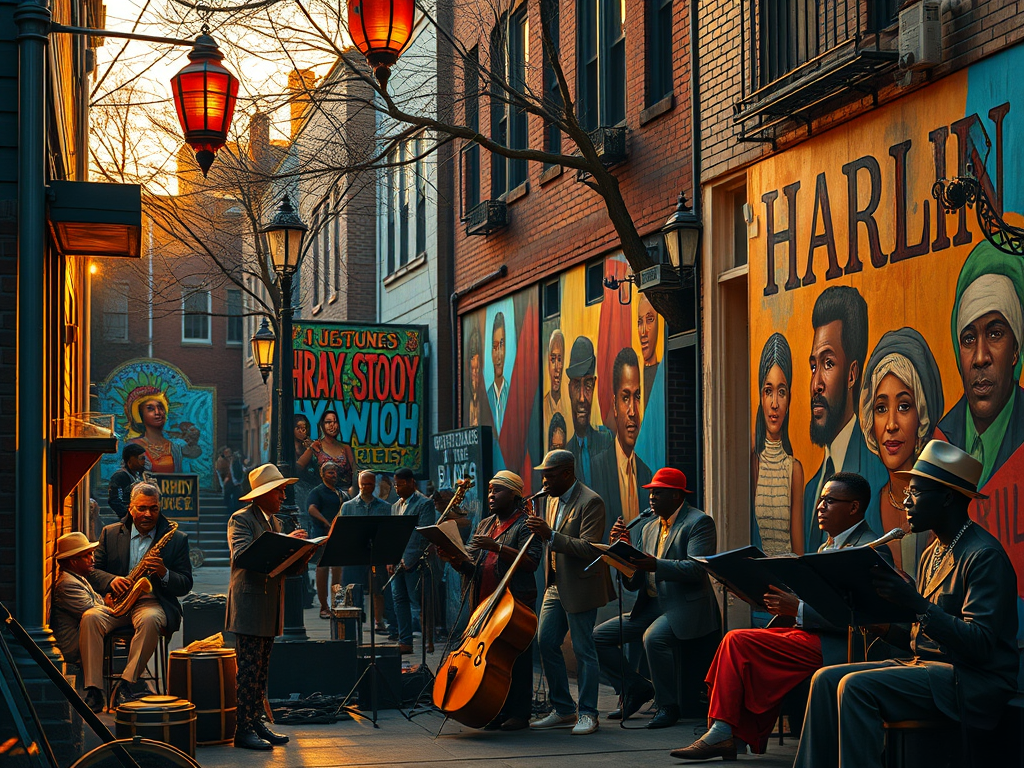

Between 1918 and 1937, Harlem became the epicenter of Black cultural explosion. Writers, musicians, artists, and intellectuals transformed American culture while creating art that centered Black life, Black joy, and Black complexity.
Nearly a century later, we’re living through a similar moment—and ignoring it at our peril.
What Was the Harlem Renaissance?
After World War I, Black Americans who’d migrated North during the Great Migration created a cultural movement that rejected racist stereotypes and celebrated Black identity. Langston Hughes wrote poetry that made white critics uncomfortable. Zora Neale Hurston documented Black Southern folklore with unapologetic authenticity. Duke Ellington and Bessie Smith revolutionized music.
This wasn’t just art for art’s sake. It was political. It was radical. It said: We are here, we are brilliant, and we will not be defined by white supremacy’s limited imagination.
The Parallels to Now
Today’s cultural renaissance doesn’t have a single geographic center—it’s happening everywhere at once, amplified by digital platforms. Black creators are controlling their narratives through podcasts, YouTube, TikTok, self-published books, and independent films.
Issa Rae created her own lane when Hollywood wouldn’t. Jordan Peele makes horror films that dissect racism. Beyoncé’s Lemonade and Renaissance albums are visual and musical thesis statements on Black womanhood. The success of Black Panther proved Black stories sell globally—when Hollywood finally gets out of the way.
This is what happens when gatekeepers lose their power.
From Jazz to Hip-Hop: Music as Movement
The Harlem Renaissance helped carry jazz, a distinctly Black American art form born in New Orleans, to the world, while white bandleaders and labels often profited more than the Black artists who created it. Sounds familiar, right?
Hip-hop followed the same pattern. Created in the Bronx by Black and Latinx youth in the 1970s, hip-hop became the most influential musical genre globally. And just like jazz, once it became profitable, everyone wanted in.
But here’s the difference: today’s Black artists are building parallel infrastructure. Independent labels, streaming platforms, and direct-to-fan models mean artists can bypass traditional gatekeepers entirely. That’s power the Harlem Renaissance never had.
Literature Then and Now
The Harlem Renaissance fought for Black stories in publishing when “Negro literature” was considered a niche market. Today, we’re still fighting—but we’re also winning differently.
Writers like N.K. Jemisin, Angie Thomas, and Colson Whitehead are bestsellers. Self-publishing platforms allow Black authors to bypass rejection from overwhelmingly white publishing houses. BookTok and Black book clubs amplify voices that traditional marketing ignores.
The struggle isn’t over—Black authors still face lower advances, less marketing support, and token diversity initiatives. But the tools for circumventing that system exist now in ways they didn’t before.
Visual Arts: From Aaron Douglas to Kehinde Wiley
Aaron Douglas’s paintings during the Harlem Renaissance depicted Black figures with dignity, power, and African aesthetic influences. He refused to make Black people palatable for white patrons.
Fast forward to Kehinde Wiley painting Barack Obama’s presidential portrait—a Black man in a position of power, surrounded by flowers, claiming space in a collection of white presidents. Or Amy Sherald’s portrait of Michelle Obama, serene and regal. These aren’t just paintings; they’re declarations.
Black visual artists are reclaiming museums, galleries, and public spaces. They’re saying: our beauty, our pain, our joy—all of it deserves to be seen.
The Political Undercurrent
The Harlem Renaissance happened alongside Marcus Garvey’s Back-to-Africa movement and the early civil rights organizing of the NAACP. Culture and politics were inseparable.
Today’s cultural renaissance is also political. Black Lives Matter protests inspire art, music, and films. Artists use platforms to discuss voting rights, police violence, and economic inequality. Culture makers are activists, and activists are culture makers.
What Gets Lost in Translation
Here’s what mainstream narratives about the Harlem Renaissance often skip: it ended. The Great Depression hit Black communities hardest. White patrons pulled funding. The publishing industry moved on.
And some of its brightest stars, like Zora Neale Hurston, died broke and nearly forgotten.
That’s the warning for today’s renaissance. Black culture is profitable—for everyone except the people creating it. Streaming pays pennies. Galleries take massive commissions. Publishers offer exploitative contracts.
Black creators need ownership, not just visibility.
Moving Forward
The Harlem Renaissance proved Black culture shapes American culture. Hip-hop, jazz, literature, visual art—all of it starts in Black communities and spreads everywhere.
The lesson isn’t just to celebrate that influence. It’s to protect it. Support Black-owned platforms. Pay Black creators. Demand equity in industries built on Black innovation.
The renaissance is happening right now. The question is whether this time, we’ll own it.
Keep reading: Reclaiming the Classics, Redefining Identity: A New Publishing Vision from Minorities.com and Rose Angel Publishing · Black Wall Street: What Tulsa Taught Us About Economic Power · Afrofuturism: Imagining Black Futures Beyond Survival