
On February 19, 1942, President Franklin D. Roosevelt signed Executive Order 9066, authorizing the forced removal and incarceration of over 120,000 Japanese Americans during World War II. Two-thirds of them were U.S. citizens.
They weren’t charged with crimes. They weren’t given trials. They were imprisoned because of their ancestry, based on fear, racism, and wartime hysteria.
And the lessons from that shameful chapter of American history? We still haven’t learned them.
The Justification: Fear and Racism
After Japan attacked Pearl Harbor, anti-Japanese sentiment exploded. Japanese Americans were accused of being spies, saboteurs, and enemy sympathizers—without evidence.
Government officials claimed incarceration was a “military necessity.” They argued that Japanese Americans posed a threat to national security and that removal was for their own protection.
It was a lie. There was no evidence of espionage. In fact, military intelligence reports confirmed that Japanese Americans were not a threat. The real reasons were racism, economic opportunism (white farmers and business owners wanted Japanese-owned land), and political pressure.
The Camps
Over 120,000 Japanese Americans—men, women, children, elderly—were forced from their homes with little notice. They could only bring what they could carry. Families sold their possessions for pennies, lost businesses, and left behind entire lives.
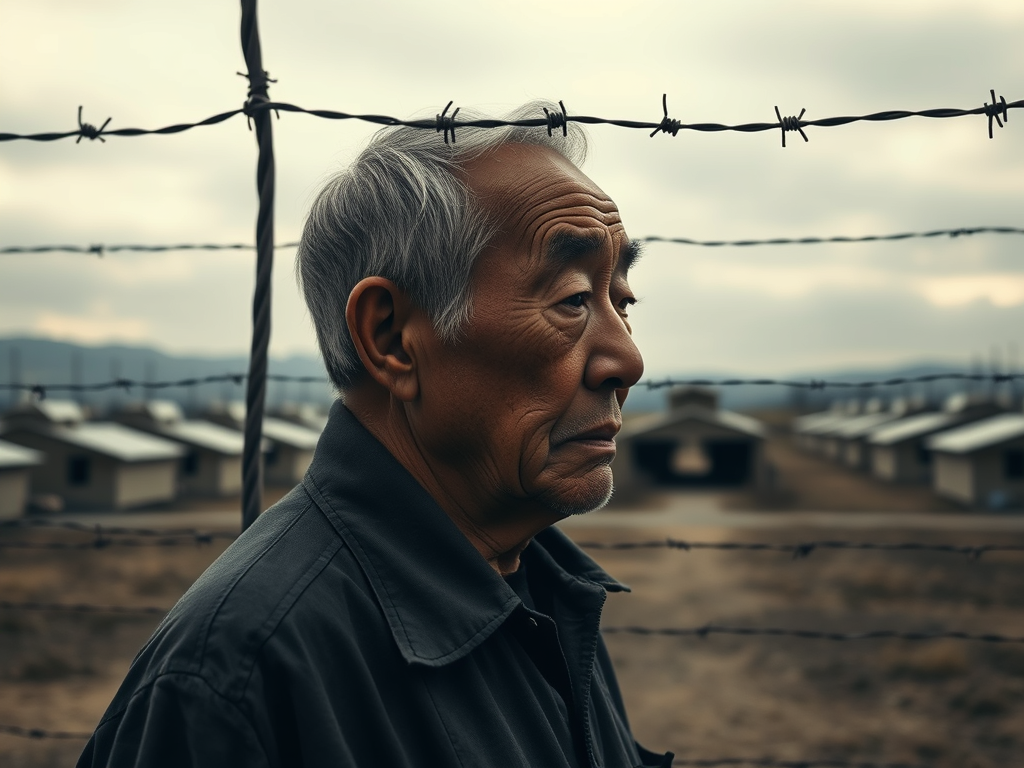
They were sent to remote incarceration camps in desolate locations—deserts, swamps, mountains. Conditions were harsh: barbed wire, armed guards, cramped barracks, inadequate food and medical care.
Families lived in single rooms with no privacy. They endured extreme temperatures, poor sanitation, and the constant surveillance of a government that saw them as enemies.
Despite this, they built communities. They created schools, gardens, newspapers, and social organizations. They resisted through resilience.
Resisting Incarceration
Not everyone went quietly. Fred Korematsu, Gordon Hirabayashi, and Minoru Yasui challenged the incarceration orders in court, arguing they violated constitutional rights.
The Supreme Court ruled against them, upholding the government’s power to incarcerate American citizens based solely on race. Those decisions stood for decades—a legal endorsement of racism.
Others resisted from within the camps. They protested, went on strikes, and refused to sign loyalty oaths that questioned their allegiance while stripping them of rights.
The Aftermath
When the war ended, Japanese Americans were released—but they had nothing to return to. Homes were gone. Businesses were lost. Savings were depleted. Communities were shattered.
There was no compensation, no apology. They were expected to move on, to rebuild in silence, to pretend it never happened.
For decades, many Japanese Americans didn’t talk about the incarceration. The shame, the trauma, and the fear of being seen as disloyal kept them silent.
The Fight for Redress
In the 1970s and 1980s, a new generation of Japanese Americans demanded accountability. They organized, testified, and fought for recognition of the injustice.
In 1988—46 years after incarceration began—President Ronald Reagan signed the Civil Liberties Act, which issued a formal apology and provided \$20,000 in reparations to surviving incarcerated individuals.
It was a victory, but it didn’t erase the harm. Money can’t replace lost years, lost homes, lost dignity.
Lessons We Haven’t Learned
Japanese American incarceration should have taught us that fear-based policies targeting entire communities are unconstitutional, immoral, and ineffective.
But we didn’t learn.
After 9/11, Muslim Americans and South Asians faced surveillance, detention, and hate crimes. Immigration detention centers imprison asylum seekers and migrants. Calls to ban Muslims from entering the U.S. echoed the same rhetoric used to justify Japanese incarceration.
The same patterns repeat: a crisis, a scapegoat, a justification for discrimination.
Why It Matters Now
In times of tension with China, Chinese Americans face suspicion and profiling. During COVID-19, Asian Americans were blamed and attacked. The “perpetual foreigner” stereotype makes it easy to see us as threats rather than neighbors.
Japanese American incarceration wasn’t an isolated mistake. It was the logical outcome of a system that prioritizes fear over justice and dehumanizes anyone deemed “other.”
Until we dismantle that system, it will happen again.
What We Owe
We owe it to Japanese Americans to remember what happened—not just as history, but as a warning.
We owe it to all marginalized communities to recognize when the same tactics are being used against them.
We owe it to ourselves to refuse fear-based policies that trade freedom for the illusion of security.
Japanese American incarceration wasn’t a wartime necessity. It was a betrayal. And the only way to honor those who endured it is to make sure it never happens again.