
Every June, corporations slap rainbows on their logos, brands release Pride collections, and parades fill city streets with glitter and celebration. But Pride started as a riot against police violence—and somewhere between then and now, the movement traded liberation for assimilation. Real Pride isn’t about rainbow capitalism or respectability politics. It’s about fighting for the most marginalized members of our community and recognizing that queer liberation is connected to every other struggle for justice. Here’s what Pride looks like when it’s actually about freedom.
Stonewall Was a Riot, Not a Parade
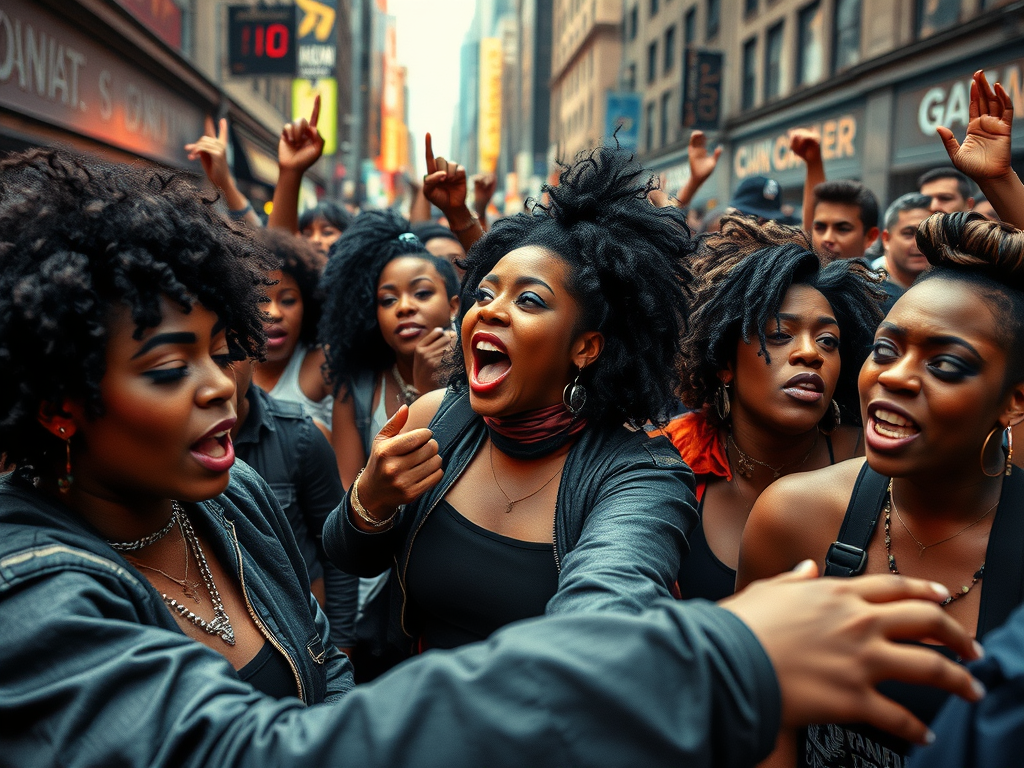
The first Pride wasn’t a celebration—it was a rebellion. On June 28, 1969, police raided the Stonewall Inn, a gay bar in New York’s Greenwich Village. But instead of accepting arrest and humiliation like usual, the bar’s patrons fought back. Black and Brown trans women, drag queens, butch lesbians, and street youth threw bottles, coins, and bricks at police. The riots lasted for days.
Marsha P. Johnson, Sylvia Rivera, Stormé DeLarverie, and Miss Major Griffin-Gracy were there. These weren’t respectable gay professionals asking nicely for rights. These were street-involved trans women, gender nonconforming people, and queer radicals who were done being abused by police and criminalized for existing.
The first Pride march one year later was a political demonstration, not a party. It was about visibility, resistance, and demanding freedom. It was explicitly connected to Black Power, women’s liberation, and anti-war movements. Pride was intersectional before that became a buzzword—because the people leading it understood their oppression was connected.
When Pride Became Palatable
Somewhere along the way, Pride got sanitized. As gay rights organizations chased mainstream acceptance, they distanced themselves from the radical roots of the movement. Trans people, people of color, sex workers, and anyone who didn’t fit the respectable gay image got pushed to the margins.
The focus shifted from liberation to inclusion. Instead of challenging systems of power, the movement asked for seats at existing tables. Marriage equality became the primary goal—important for those who wanted to marry, but not addressing the needs of LGBTQIA+ people facing homelessness, criminalization, or violence.
Corporate sponsorship completed the transformation. Now Pride parades feature bank floats and tech company contingents. Brands that donate to anti-LGBTQIA+ politicians sell Pride merchandise for profit. The movement that started as resistance to police now invites police to march in uniform at Pride.
This evolution reflects who gained power in LGBTQIA+ spaces: predominantly white, cisgender, financially comfortable gay men who could most easily assimilate into straight society. Their priorities became the movement’s priorities, even as queer and trans people of color continued facing the issues Stonewall rioters fought against.
Who Gets Left Behind
When Pride prioritizes marriage equality and corporate inclusion over material survival needs, it abandons the most vulnerable community members.
Trans women of color facing epidemic levels of violence don’t need marriage rights—they need safety, housing, and healthcare. Queer homeless youth need shelter and support services, not wedding cake legal precedents. LGBTQIA+ immigrants facing deportation need immigration justice, not corporate Pride sponsorships.
Sex workers—many of whom are queer and trans people of color—need decriminalization, not pride floats from companies that discriminate against them in hiring. Incarcerated LGBTQIA+ people need prison abolition, not banks flying rainbow flags. HIV-positive people need healthcare access, not pharmaceutical companies marketing to the gay community while keeping drug prices prohibitively high.
These aren’t separate issues from LGBTQIA+ rights. These are the actual life-or-death needs of community members who get forgotten when Pride becomes about mainstream acceptance instead of radical liberation.
Pride as Resistance
Real Pride means returning to the movement’s revolutionary roots. It means recognizing that queer liberation requires dismantling systems of oppression—not just gaining inclusion within them.
Pride as resistance means: Defunding police instead of inviting them to Pride. Centering the leadership of trans women of color instead of celebrating white gay men. Fighting for universal healthcare instead of celebrating marriage benefits. Supporting sex worker rights instead of criminalizing survival economies. Connecting LGBTQIA+ struggles to immigrant rights, racial justice, disability justice, and economic liberation.
It means challenging businesses that rainbow-wash during Pride while donating to anti-LGBTQIA+ politicians. It means rejecting military and police presence at Pride events. It means prioritizing the safety and dignity of the most marginalized community members over corporate partnerships and mainstream acceptability.
Intersectionality Isn’t Optional
The movement for queer liberation cannot be separated from movements for racial, economic, and disability justice. Because many LGBTQIA+ people are also people of color, disabled, working class, or otherwise marginalized in multiple ways—and our liberation requires addressing all systems of oppression simultaneously.
A Black trans woman doesn’t experience racism separately from transphobia. An undocumented queer immigrant doesn’t face homophobia separately from immigration enforcement. A disabled lesbian doesn’t navigate ableism separately from heteronormativity. These identities and their associated oppressions are interconnected.
Real Pride recognizes these connections and builds coalitions accordingly. It shows up for Black Lives Matter protests, immigrant rights marches, and disability justice actions—not as allies but as co-conspirators recognizing our struggles are bound together.
What Activism Looks Like Beyond June
Pride Month shouldn’t be the only time LGBTQIA+ issues matter. Real activism continues year-round, addressing both immediate crisis and long-term systemic change.
That means: Mutual aid networks supporting LGBTQIA+ people with housing, healthcare, and survival resources. Political organizing to pass actually protective anti-discrimination laws and defeat anti-trans legislation. Direct action disrupting systems that harm LGBTQIA+ people. Community defense protecting LGBTQIA+ spaces from harassment and violence. Coalition building connecting queer liberation to broader justice movements.
It also means internal community work: challenging racism, transphobia, and ableism within LGBTQIA+ spaces, holding community members accountable for harm, building alternative systems of care and support that don’t rely on police or prisons, creating cultural spaces that celebrate queer joy alongside resistance.
Honoring the Elders, Supporting the Youth
Pride means remembering the people who fought so today’s LGBTQIA+ people could live more freely. It means honoring ACT UP activists who fought for AIDS treatment while the government let gay men die. It means celebrating Black trans women who built the movement while facing violence and erasure. It means learning from elders who survived decades of criminalization and stigma.
Pride also means supporting LGBTQIA+ youth facing new threats. Trans kids need protection from legislation banning healthcare and criminalizing parents who support them. Queer youth need safe schools where they can exist without harassment. LGBTQIA+ youth of color need alternatives to systems that criminalize them.
The movement connects generations—elders who paved the way, current activists fighting ongoing battles, and youth who will carry liberation forward.
Joy Is Revolutionary Too
Pride as resistance doesn’t mean constant suffering or performance of trauma. Joy is part of liberation—celebrating who we are, building community, creating culture, and simply existing unapologetically.
Queer joy challenges narratives that position LGBTQIA+ lives as tragic or pitiable. Dancing at Pride, loving openly, creating art, building families of choice—these acts of joy are themselves revolutionary in a world that wants queer people to be miserable or invisible.
Pride celebrations can honor both resistance and joy. They can be political and fun, serious and celebratory, respectful of history and excited about futures we’re building.
Your Pride Matters
You don’t have to attend massive parades to participate in Pride. You can honor Pride by: Supporting LGBTQIA+ organizations doing grassroots work, challenging homophobia and transphobia when you encounter it, donating to mutual aid funds for queer people, educating yourself about queer history beyond what mainstream narratives teach, showing up for LGBTQIA+ people facing the most violence and marginalization, living openly as yourself, and remembering that your existence is political and powerful.
Pride is every day you refuse to shrink yourself for others’ comfort. Pride is choosing authenticity over approval. Pride is building community with other LGBTQIA+ people. Pride is fighting for liberation—yours and everyone else’s.
The Work Continues
Marriage equality passed. More LGBTQIA+ people have legal protections now than in 1969. Some things improved. But trans women of color still face epidemic violence. Queer homeless youth still need shelter. LGBTQIA+ immigrants still face deportation. Anti-trans legislation proliferates. Conversion therapy continues. Employment and housing discrimination remain widespread.
The work isn’t done. Liberation hasn’t been achieved. And Pride that ignores this reality in favor of corporate sponsorship and assimilation betrays the movement’s revolutionary foundations.
Real Pride happens when we center the most marginalized, challenge every system of oppression, and fight for collective liberation instead of individual inclusion. When we do that, we honor the Stonewall rioters who started this movement. And we build the future they fought for—one where all LGBTQIA+ people can live with dignity, safety, and freedom.
The parade is fine. The celebration matters. But Pride is so much more than rainbow flags and corporate floats. It’s resistance, liberation, and the ongoing fight for a world where all of us can be free.