
The Journey Nobody Prepared You For
Caribbean immigration to the United States isn’t a single story—it’s multiple waves spanning over a century, each shaped by different economic conditions, political situations, and immigration policies. Understanding these waves helps explain why Caribbean communities look different in different cities, why immigration debates affect us in specific ways, and how Caribbean Americans built community against the odds.
The Early Wave: 1900s-1920s
The first major wave of Caribbean immigration brought primarily English-speaking West Indians to cities like New York, seeking economic opportunities during a period of colonial economic stagnation. These immigrants faced immediate racism—Black immigrants discovering that America’s racial hierarchy had no interest in distinctions between African Americans and West Indians.
Despite this, early Caribbean immigrants built institutions: churches, benevolent societies, newspapers, and mutual aid organizations. They created networks that would support future generations. Marcus Garvey’s Universal Blacks Improvement Association, founded in 1914, became one of the largest Black organizations in American history, built largely on Caribbean immigrant leadership and organizing traditions.
The Hart-Celler Act: 1965 and After
The 1965 Immigration and Nationality Act removed racist quotas and opened legal pathways for Caribbean immigration. This wave brought professionals—nurses, teachers, engineers—seeking better economic opportunities and fleeing political instability in newly independent nations.
This is the immigration wave your parents or grandparents probably arrived in. They came with credentials, education, and ambition, often facing the harsh reality that American racism didn’t care about their degrees. Caribbean nurses kept hospitals running while being denied advancement. Caribbean teachers educated American children while navigating discrimination. Caribbean engineers built infrastructure while facing workplace barriers.
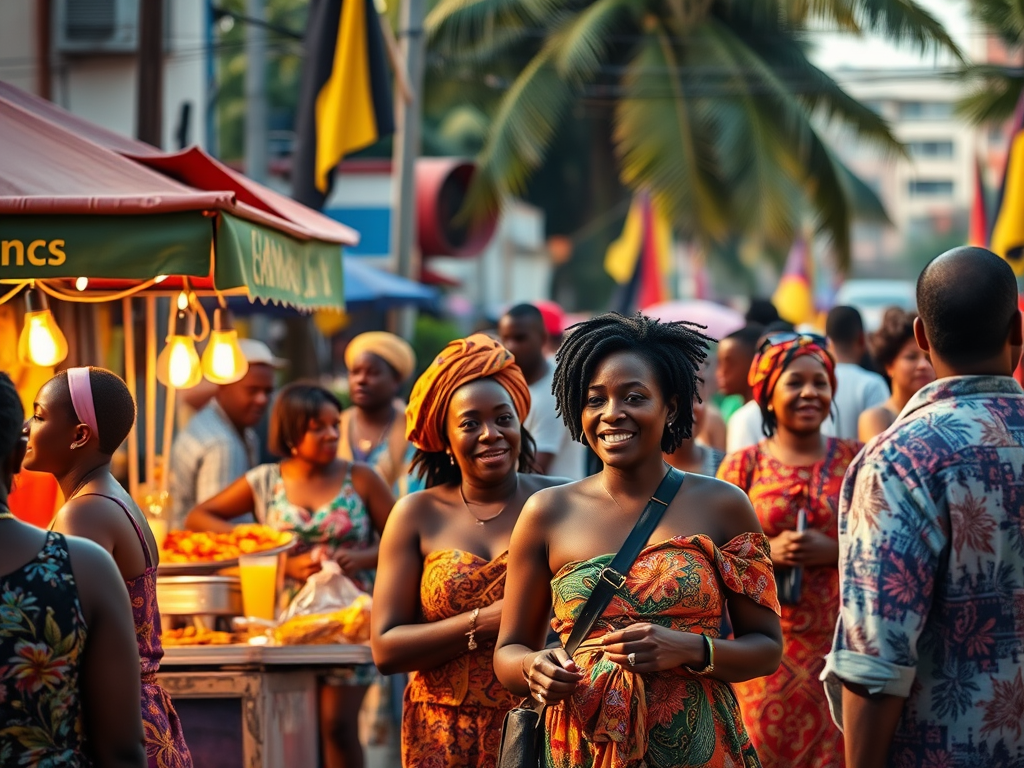
These immigrants built Caribbean American communities in Brooklyn, Miami, Orlando, and other cities that became hubs of Caribbean culture. West Indian Day Parade in Brooklyn, Caribbean carnival celebrations, Caribbean restaurants and grocery stores—all infrastructure built by immigrants maintaining culture while building new lives.
Political Refugees: Haiti and Cuba
Haitian immigration has its own specific history shaped by political instability, natural disasters, and U.S. immigration policy that has consistently treated Haitian immigrants worse than other Caribbean nationals. While Cuban refugees received immediate pathways to residency, Haitian refugees were detained, deported, and discriminated against.
This differential treatment exposed the racism in U.S. immigration policy—same region, same reasons for fleeing, completely different government response based on Cold War politics and anti-Black racism.
The 1990s and 2000s: Diversity and Division
By the 1990s, Caribbean immigration included more diversity—not just English-speaking islands but increased immigration from Spanish-speaking Caribbean nations and different class backgrounds. This wave arrived into tougher immigration restrictions, stricter enforcement, and a political climate increasingly hostile to immigrants.
Second-generation Caribbean Americans were coming of age during this period, navigating identity in ways their parents hadn’t faced. Are you Black? Are you Caribbean? Are you American? Yes, yes, and yes—but American culture kept demanding people choose.
Community Building Strategies
Caribbean immigrant communities built infrastructure through specific strategies that deserve recognition:
*Rotating Credit Associations*: Known as “partner” or “susu” in different islands, these informal banking systems helped immigrants buy homes, start businesses, and build wealth when American banks denied them access to credit.
*Churches as Community Centers*: Caribbean churches became more than worship spaces—they were employment networks, social service providers, and cultural preservation sites.
*Homeownership Focus*: Caribbean immigrants prioritized homeownership at higher rates than native-born Americans, understanding that property ownership built generational wealth and community stability.
*Educational Investment*: Caribbean immigrant communities emphasized education as a path to mobility, with second-generation Caribbean Americans attending college at higher rates than average.
The Current Reality: DACA, TPS, and Uncertainty
Today’s Caribbean immigrants face different challenges. Temporary Protected Status (TPS) for Haitians remains in political limbo. Dreamers from Caribbean nations face uncertain futures. Immigration enforcement has ramped up, creating fear in communities that have lived here for decades.
Climate change threatens island nations, creating a new kind of refugee that immigration policy hasn’t adequately addressed. When hurricanes devastate Caribbean nations, families face impossible choices about leaving home and seeking safety.
Maintaining Culture, Building Future
Caribbean immigrant communities have succeeded not despite their culture but because of it. The emphasis on education, the rotating credit systems, the mutual aid traditions, the extended family networks—all of these cultural practices became survival strategies in America.
Second and third-generation Caribbean Americans navigate multiple identities while building something new: Caribbean American culture that honors roots while claiming American belonging. That hyphenated identity isn’t a weakness or confusion—it’s the creation of something distinct, valuable, and powerful.
The Work Ahead
Caribbean immigration history teaches us that community building happens through cultural preservation, mutual aid, and collective action. The challenge now is maintaining these traditions while fighting for immigration justice, economic equity, and political power.
You’re not just children of immigrants—you’re bridge builders, carrying forward traditions while creating new possibilities. That’s not burden; that’s power.