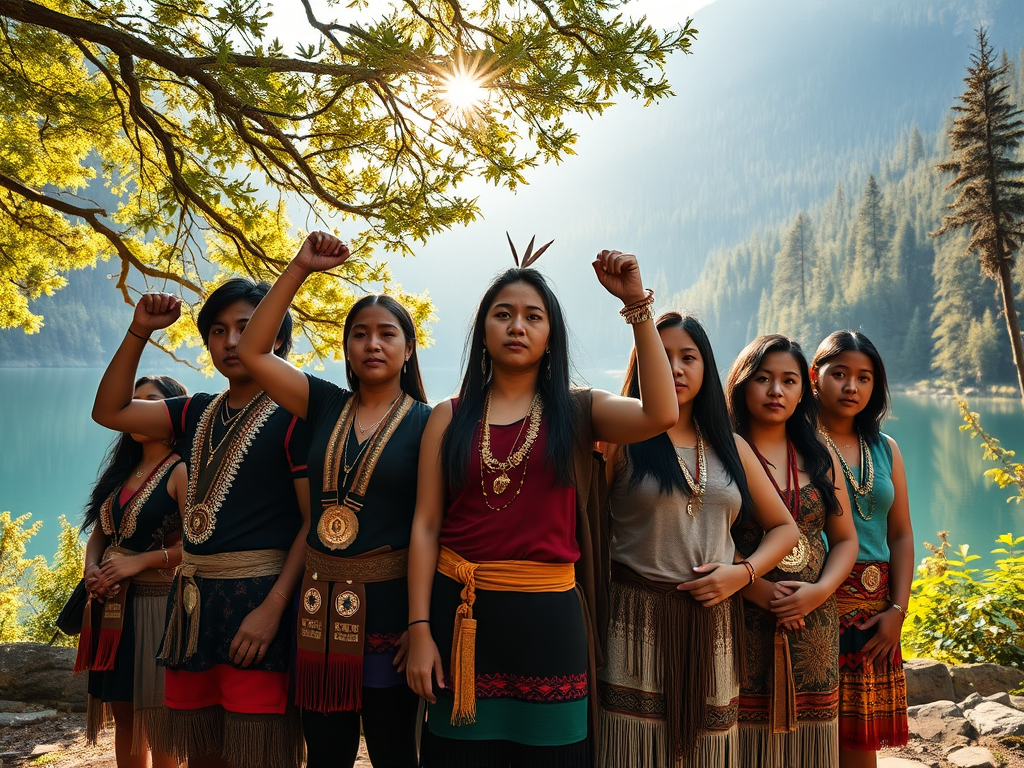

While politicians debate whether climate change is real, Indigenous youth are fighting for their communities’ survival. They’re not new to environmental activism—their ancestors have been protectors of land and water for thousands of years. But this generation faces unprecedented threats, and they’re responding with unprecedented action.
From Standing Rock to the Amazon, young Indigenous activists are at the forefront of climate justice movements. They understand what mainstream environmentalism often misses: the climate crisis is inseparable from colonialism, capitalism, and the ongoing dispossession of Indigenous peoples.
Why Indigenous Youth Lead
Indigenous communities are disproportionately impacted by climate change. Rising seas threaten coastal tribal lands. Changing weather patterns disrupt traditional hunting, fishing, and gathering practices. Extreme weather events devastate communities with limited infrastructure and resources.
For Indigenous youth, climate activism isn’t abstract. It’s about protecting their homelands, preserving their cultures, and ensuring their communities’ futures. When sacred sites are flooded or traditional foods become scarce, entire ways of life are endangered.
They also carry thousands of years of ecological knowledge passed down through generations. They understand land relationships that Western science is only beginning to acknowledge. Their activism combines traditional knowledge with modern organizing strategies, creating powerful movements for change.
From Standing Rock to Today
The 2016 Standing Rock protests marked a turning point. Young people from Indigenous nations across North America converged to stop the Dakota Access Pipeline from threatening their water supply and sacred sites. They faced militarized police, attack dogs, and water cannons in freezing temperatures.
While the pipeline was eventually completed, Standing Rock inspired a generation. It showed young Indigenous people their power. It created networks of Indigenous youth activists that continue organizing today. It demonstrated that resistance is possible and necessary.
Since Standing Rock, Indigenous youth have led countless fights against pipelines, mines, and developments that threaten their lands. They’ve won some battles, lost others, but they haven’t stopped fighting.
Global Indigenous Youth Movement
Climate activism isn’t just happening in North America. In the Amazon, Indigenous youth fight against deforestation and extractive industries. In the Arctic, Inuit youth document climate impacts on their communities. In Australia, Aboriginal youth advocate for land rights and environmental protection.
These movements share common themes: defending land and water, opposing extractive capitalism, demanding respect for Indigenous sovereignty, and centering Indigenous knowledge in climate solutions. They’re connected through social media, international conferences, and shared struggles.
Young activists like Autumn Peltier, Xiuhtezcatl Martinez, and Nina Gualinga represent a global movement of Indigenous youth who refuse to accept the destruction of their homelands and cultures.
Social Media and Organizing
Instagram, TikTok, Twitter, and other platforms have become crucial tools for Indigenous youth activists. They use social media to document environmental destruction, organize protests, share traditional knowledge, and build solidarity across borders.
These platforms allow them to bypass mainstream media that often ignores Indigenous issues. They can tell their own stories, share images and videos from the front lines, and rapidly mobilize supporters. They’re media-savvy and strategic in their messaging.
But social media also exposes them to harassment, threats, and surveillance. Indigenous environmental activists face violence and criminalization worldwide. Young activists navigate real danger while fighting for their communities’ futures.
Traditional Knowledge Meets Modern Science
Indigenous youth often serve as bridges between traditional ecological knowledge and Western scientific approaches. They understand both their communities’ traditional practices and contemporary climate science. They can articulate how indigenous land management practices—like controlled burns and rotational harvesting—actually support ecosystem health.
They’re pushing back against the notion that Indigenous knowledge is “primitive” or “unscientific.” They’re demonstrating that their ancestors’ understanding of ecological relationships is sophisticated, time-tested, and increasingly relevant as Western approaches to environmental management fail.
Many are pursuing degrees in environmental science, ecology, and related fields while maintaining connections to traditional knowledge. They’re creating new synthesis approaches that respect both knowledge systems.
The Intersectionality of Climate Justice
Indigenous youth activists understand that climate justice intersects with racial justice, economic justice, and decolonization. They connect pipeline fights to police violence, environmental racism to economic exploitation, and climate change to settler colonialism.
They reject corporate environmentalism that treats nature as a commodity to be managed rather than a relative to be respected. They challenge green capitalism that allows corporations to profit while Indigenous communities bear the costs of environmental degradation.
Their activism is holistic, addressing root causes rather than symptoms. They’re not just fighting individual pipelines or mines—they’re challenging the entire system of extraction and exploitation.
What They’re Up Against
Indigenous youth activists face significant obstacles. They’re fighting corporations with massive resources. They’re challenging governments that criminalize Indigenous resistance. They’re confronting political systems designed to ignore Indigenous voices.
Many face personal costs: arrests, legal fees, time away from school or work, and emotional trauma from witnessing environmental destruction and violence against their communities. Some have been killed for their activism.
Yet they continue. Because what’s at stake is their existence, their cultures, and the planet’s future.
How to Support
Non-Indigenous people can support Indigenous youth climate activism through material solidarity. Donate to Indigenous-led environmental organizations. Sign petitions supporting their campaigns. Show up to protests when invited. Use your platforms to amplify Indigenous voices.
But don’t co-opt their movements. Don’t center yourself in their struggles. Don’t tone police their tactics or tell them how to fight for their own communities. Follow their leadership, respect their strategies, and put resources where they’re needed.
Listen when Indigenous youth talk about climate solutions. They’re offering pathways forward that Western environmentalism has failed to find. They’re connecting climate action to broader justice struggles in ways mainstream environmentalism often avoids.
The Stakes
Indigenous youth are fighting for their lives and their futures. They’re also fighting for everyone’s future, even those who don’t recognize it. The climate crisis impacts everyone, but Indigenous communities are often the first and hardest hit.
When Indigenous youth protect their lands and waters, they’re protecting biodiversity, carbon sinks, and ecosystems that benefit the entire planet. Their victories are everyone’s victories, even if they don’t get credit.
They’re not asking for recognition or praise. They’re demanding justice, sovereignty, and the right to protect their homelands. They’re offering knowledge and solutions that could help address the climate crisis, if anyone would listen.
The question isn’t whether Indigenous youth will keep fighting. They will, because they have no choice. The question is whether the rest of us will finally support them with the urgency their struggle demands.
The planet’s future might depend on the answer.