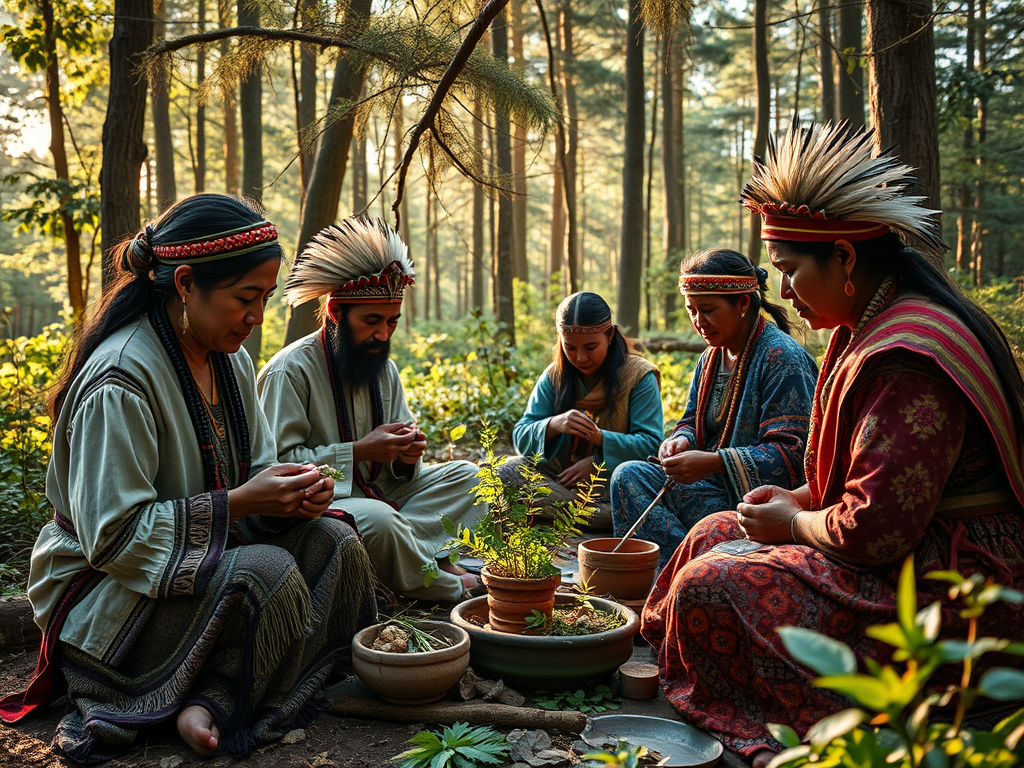

For thousands of years, Indigenous peoples developed sophisticated healthcare systems based on deep understanding of plants, bodies, and the connections between physical, mental, and spiritual health. These weren’t primitive practices waiting for Western medicine to replace them—they were complex medical systems that Western science is only beginning to understand and validate.
Today, Indigenous communities are reclaiming and revitalizing traditional medicine while also demanding better access to Western healthcare. These aren’t competing systems—they’re complementary approaches that together can better serve Indigenous health needs than either alone.
The Scope of Traditional Medicine
Traditional Indigenous medicine encompasses far more than herbal remedies. It includes diagnostic methods, surgical techniques, spiritual healing practices, preventive care, mental health treatment, and holistic approaches to wellness.
Different Indigenous nations developed different medical practices based on their specific environments, philosophies, and experiences. Cherokee medicine differs from Navajo medicine, which differs from Coast Salish medicine. There’s no single “Native American traditional medicine”—there are hundreds of distinct medical traditions.
Many of these practices involve extensive training and specialized knowledge passed through generations. Becoming a medicine person often requires years or decades of apprenticeship, learning not just what plants to use but how to prepare them, when to harvest them, what prayers to say, and how to integrate treatment with spiritual practice.
What Western Medicine Owes to Indigenous Knowledge
Modern medicine uses hundreds of drugs derived from plants that Indigenous peoples used medicinally for thousands of years. Aspirin came from willow bark. Quinine came from cinchona bark. Digoxin came from foxglove. The list goes on.
Indigenous people didn’t just stumble onto these plants—they developed sophisticated understanding of their properties, dosing, preparation methods, and applications through careful observation and experimentation over generations.
Yet Indigenous peoples rarely receive credit or compensation for this knowledge. Pharmaceutical companies profit from Indigenous medical knowledge while Indigenous communities lack access to the medicines developed from their own traditional practices.
This is biopiracy, and it continues today. Researchers collect Indigenous knowledge about plants, patent compounds derived from those plants, and sell drugs back to Indigenous communities at prices they can’t afford.
The Holistic Approach
Indigenous medicine typically treats the whole person, not just symptoms. Physical illness might be addressed through herbal medicine, but also through ceremony, counseling, and attention to social and spiritual factors contributing to poor health.
This holistic approach often produces better outcomes than narrowly focused Western interventions, particularly for chronic conditions with multiple contributing factors. Western medicine is slowly recognizing what Indigenous medicine always knew: you can’t separate physical health from mental, emotional, and spiritual wellbeing.
Traditional medicine also emphasizes prevention through maintaining balance and harmony. Rather than waiting until someone is seriously ill, traditional approaches focus on keeping people healthy through proper diet, spiritual practice, community connection, and attention to warning signs of developing problems.
The Indian Health Service Crisis
The federal government has a trust responsibility to provide healthcare to federally recognized tribes through the Indian Health Service (IHS). This isn’t charity—it’s partial compensation for the billions of acres of land tribes ceded through treaties.
But IHS is catastrophically underfunded. Facilities are outdated. Equipment breaks and isn’t replaced. There aren’t enough doctors, nurses, or specialists. Wait times are extreme. People die from treatable conditions because IHS can’t provide timely care.
Per capita healthcare spending for IHS patients is a fraction of what Medicare and Medicaid spend. The gap between IHS funding and what’s actually needed grows every year. This isn’t accidental—it’s another mechanism of genocide.
Integrating Traditional and Western Medicine
Some tribes and health organizations are pioneering integrated approaches that respect both traditional and Western medicine. Patients can see both Western-trained doctors and traditional practitioners. Facilities incorporate space for ceremony. Treatment plans address physical, mental, and spiritual health.
These integrated approaches often produce better outcomes than either system alone, particularly for Indigenous patients who value traditional practices but also need Western medical interventions.
But integration requires adequate funding, trained staff, and institutional respect for traditional medicine. Many Western healthcare providers dismiss traditional practices as superstition or placebo effects. They don’t understand that different medical paradigms can coexist and complement each other.
Plant Medicine and Bioprospecting
Sacred plants central to Indigenous medicine are increasingly threatened. White sage is being over-harvested for the smudging trend. Peyote faces extinction from recreational use and habitat destruction. Traditional medicine gardens are being destroyed by development and climate change.
Pharmaceutical companies and researchers want access to Indigenous lands to find new medicinal plants. But they often extract knowledge and resources without compensation, permission, or respect for sacred relationships with those plants.
Indigenous communities are fighting back by asserting sovereignty over traditional knowledge. Some tribes have enacted laws prohibiting bioprospecting without explicit tribal consent. Others are creating databases of traditional knowledge to prevent outsiders from patenting Indigenous medicines.
Urban Indians and Healthcare Access
Urban Indians face particular healthcare challenges. They’re often far from tribal clinics. IHS urban programs are severely underfunded. They may struggle to find healthcare providers who understand Indigenous health issues and cultural practices.
They also face discrimination in mainstream healthcare settings. Providers may assume urban Indians aren’t “really Indian” or don’t need culturally specific care. They may dismiss concerns about maintaining traditional practices while receiving Western medical treatment.
Urban Indians often don’t have access to traditional medicine practitioners from their own tribal traditions. They must either travel back to their tribal lands or go without traditional healing practices that are important to them.
Mental Health and Cultural Healing
Indigenous communities face mental health crises rooted in historical trauma, ongoing oppression, and social disruption. Suicide rates are alarmingly high, particularly among youth. Depression and anxiety are widespread. Substance abuse reflects attempts to cope with intergenerational pain.
Western mental health services often fail Indigenous patients because they don’t address cultural disconnection and historical trauma at the root of many mental health issues. Traditional healing practices that reconnect people to culture, community, and spiritual practice often work better than standard Western therapy alone.
Culturally adapted mental health services that combine Western clinical practices with traditional healing approaches show promising results. But they require trained practitioners who understand both systems and respect Indigenous worldviews.
The Criminalization of Traditional Medicine
Despite supposed religious freedom protections, Indigenous people have faced prosecution for practicing traditional medicine. Possession of eagle feathers (essential for many ceremonies) is technically illegal without specific permits. Peyote use is only protected for Native American Church members under specific circumstances.
Some traditional practices are dismissed as medical fraud when Indigenous practitioners charge for services. Yet Western doctors charge for their services without being called frauds. The double standard reflects continued colonization of Indigenous bodies and practices.
Moving Forward
Supporting Indigenous healthcare means funding IHS at levels that actually meet communities’ needs. It means respecting traditional medicine as legitimate healthcare, not superstition. It means protecting sacred plants and traditional medicine knowledge from exploitation.
It means training healthcare providers to deliver culturally competent care. It means creating space for traditional healing practices within healthcare institutions. It means addressing social determinants of health—poverty, discrimination, environmental destruction—that create health crises in Indigenous communities.
For non-Indigenous people, it means not appropriating Indigenous healing practices for trendy wellness culture. Don’t sell white sage bundles. Don’t claim Cherokee ancestry to justify using Native medicine. Don’t take ayahuasca or peyote recreationally. Don’t extract Indigenous knowledge for profit.
If you benefit from medicines derived from Indigenous knowledge, recognize that debt. Support Indigenous healthcare initiatives financially. Advocate for adequate IHS funding. Respect that some Indigenous medicine isn’t meant for you.
The Expertise That Never Left
Indigenous medical knowledge didn’t disappear. It’s still here, held by medicine people, elders, and communities working to pass it to new generations despite centuries of suppression.
This knowledge is increasingly valuable as Western medicine recognizes its limitations and seeks more holistic approaches. But Indigenous communities should benefit from that recognition—through adequate healthcare funding, protection of traditional knowledge, and respect for Indigenous medical practitioners.
Traditional medicine is real medicine. It’s sophisticated, effective, and essential for Indigenous communities’ health and cultural survival. It deserves the same respect and support given to Western healthcare systems.
Because Indigenous peoples deserve healthcare that honors both their bodies and their cultures. Anything less is just another form of colonization.