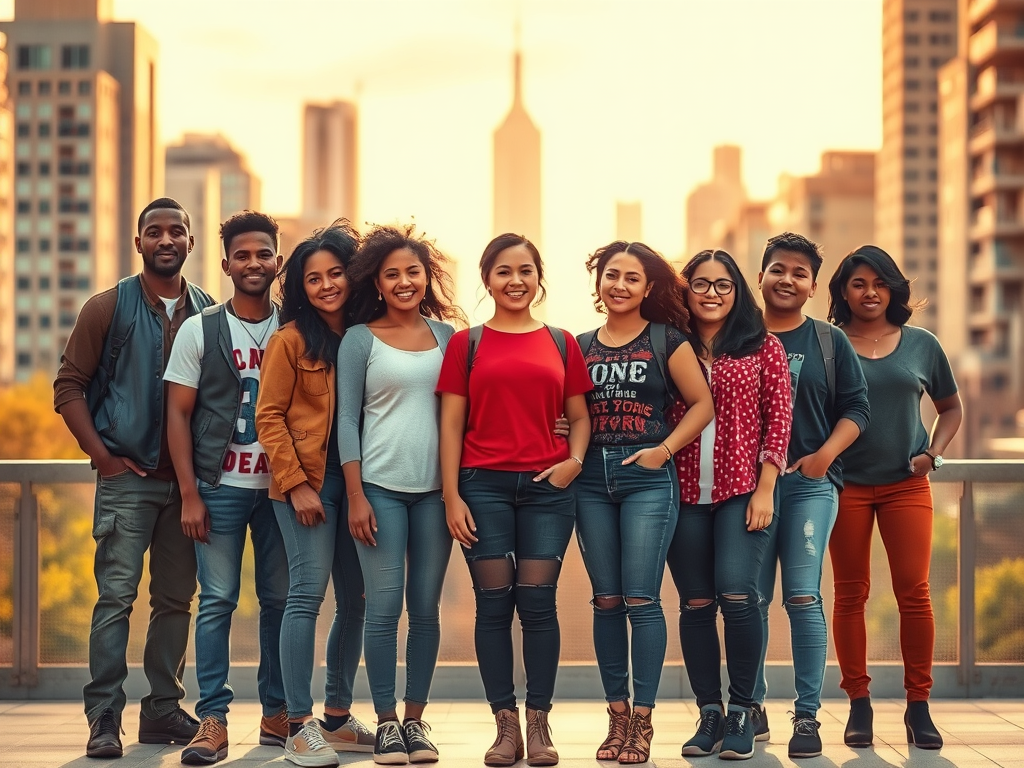

The phrase “undocumented and unafraid” isn’t just a slogan. It’s a declaration of defiance against a system designed to keep millions of people living in shadows, afraid to claim their space in the only country many have ever known. For DACA recipients and Dreamers, it’s about rejecting the narrative that their existence is criminal and demanding recognition for what they’ve always been: American.
The Reality Behind the Labels
Let’s be clear about what “Dreamer” actually means. These are people who were brought to the United States as children, who had no say in the decision, and who’ve built their entire lives here. They graduated from American schools, speak English as their first or only language, and pay taxes into a system that refuses to fully recognize them.
The Deferred Action for Childhood Arrivals (DACA) program, established in 2012, provided temporary protection from deportation and work authorization. But “temporary” is the operative word. DACA recipients have to renew every two years, live under constant threat of the program being terminated, and have no pathway to citizenship. It’s protection with an expiration date, and that’s by design.
Living in Legal Limbo
Imagine planning your life in two-year increments. Imagine not being able to leave the country to visit dying relatives because you might not be allowed back in. Imagine achieving academic excellence, landing your dream job, or starting a family while knowing it could all be ripped away by a policy change or court decision.
That’s the daily reality for roughly 525,000 active DACA recipients. They’re doctors, teachers, engineers, and small business owners contributing billions to the economy and paying taxes without accessing most federal benefits. They’re serving in essential roles but can’t vote for the politicians who decide their fate.
The mental health toll is staggering. Studies show DACA recipients experience higher rates of anxiety, depression, and PTSD than their documented peers. The stress of living in limbo, of being one policy reversal away from losing everything, creates a constant state of hypervigilance that affects every aspect of life.
The Undocumented Community Beyond DACA
DACA gets media attention, but it only covers a fraction of the estimated 11 to 14 million undocumented immigrants in the United States. Millions more don’t qualify because they arrived after the cutoff date, couldn’t provide required documentation, or aged out of eligibility.
These are parents working multiple jobs to provide for their families, teenagers who discover their status when they try to get a driver’s license, and young adults who can’t pursue higher education or professional careers because of their documentation status. They’re essential workers who kept the country running during the pandemic while risking deportation every time they left their homes.
Why “Illegal” Is a Slur
Language matters. The term “illegal immigrant” or “illegal alien” isn’t neutral—it’s dehumanizing. You can violate a law, but you can’t be illegal. People aren’t violations of policy; they’re human beings navigating complex immigration systems that were designed to exclude rather than include.
Many undocumented immigrants didn’t simply “sneak across the border.” Some entered legally on visas that expired while they were waiting for adjustment of status. Others were brought as children and had no agency in the decision. Some fled violence, persecution, or economic devastation created partly by U.S. foreign policy and corporate exploitation.
Many advocates argue the immigration system isn’t broken at all; it’s working as designed. It creates a permanent underclass of exploitable labor while allowing politicians to campaign on fear and xenophobia. It separates families, traumatizes children, and enriches private prison companies that profit from detention.
The Movement for Justice
The Dreamer movement represents some of the most fearless activism in modern America. Young people who could be targeted for deportation are instead organizing protests, sharing their stories publicly, and demanding comprehensive immigration reform. They’re pushing back against a narrative that says they should be grateful for scraps of dignity and instead claiming their full humanity.
Organizations like United We Dream, the National Immigration Law Center, and local immigrant rights groups are fighting on multiple fronts: legal battles in courts, advocacy in Congress, and community organizing to protect vulnerable individuals from ICE raids and detention.
The movement has also highlighted the intersection of immigration status with race. While all undocumented immigrants face challenges, Black and Indigenous immigrants face compounded discrimination, both within the immigration system and from racial profiling and police violence.
What Needs to Change
The solution isn’t incremental reform or temporary programs. It’s comprehensive immigration reform that includes a clear pathway to citizenship for all undocumented immigrants who want it, protection of family unity, and an end to the detention and deportation system that treats human beings like criminals.
It means stopping workplace raids that terrorize communities, ending the collaboration between local police and immigration enforcement, and dismantling the private prison industry that profits from human suffering. It means acknowledging that immigration is a humanitarian issue, not a law enforcement problem.
How to Support the Movement
If you’re documented, your privilege comes with responsibility. Support isn’t just about sympathy; it’s about action. Donate to immigrant rights organizations. Show up to protests and rallies. Vote for politicians with strong track records on immigration justice, not those who make empty promises during campaigns.
Educate yourself about the real immigration system beyond soundbites and propaganda. Learn what it actually takes to “come here legally”—it’s not a line you can just wait in. For most people, there is no legal pathway available.
If you’re an employer, pay fair wages and don’t exploit undocumented workers’ vulnerability. If you’re an educator, create sanctuary spaces in your schools. If you’re a neighbor, don’t look the other way when ICE shows up. Community protection works.
The Courage to Be Seen
“Undocumented and unafraid” is a radical statement because fear is the tool used to maintain oppression. When people step out of the shadows despite the risks, they’re not just fighting for themselves—they’re fighting for everyone who can’t afford to be visible.
Dreamers and undocumented immigrants aren’t asking for handouts or special treatment. They’re demanding recognition of their humanity, acknowledgment of their contributions, and access to the same opportunities available to people who had the luck of being born on the right side of an imaginary line.
This is about justice, plain and simple. And justice delayed is justice denied.
Keep reading: Latinx Women in STEM Fields · Quinceañera: Tradition, Evolution, and Meaning · Latinx Mental Health and Familismo