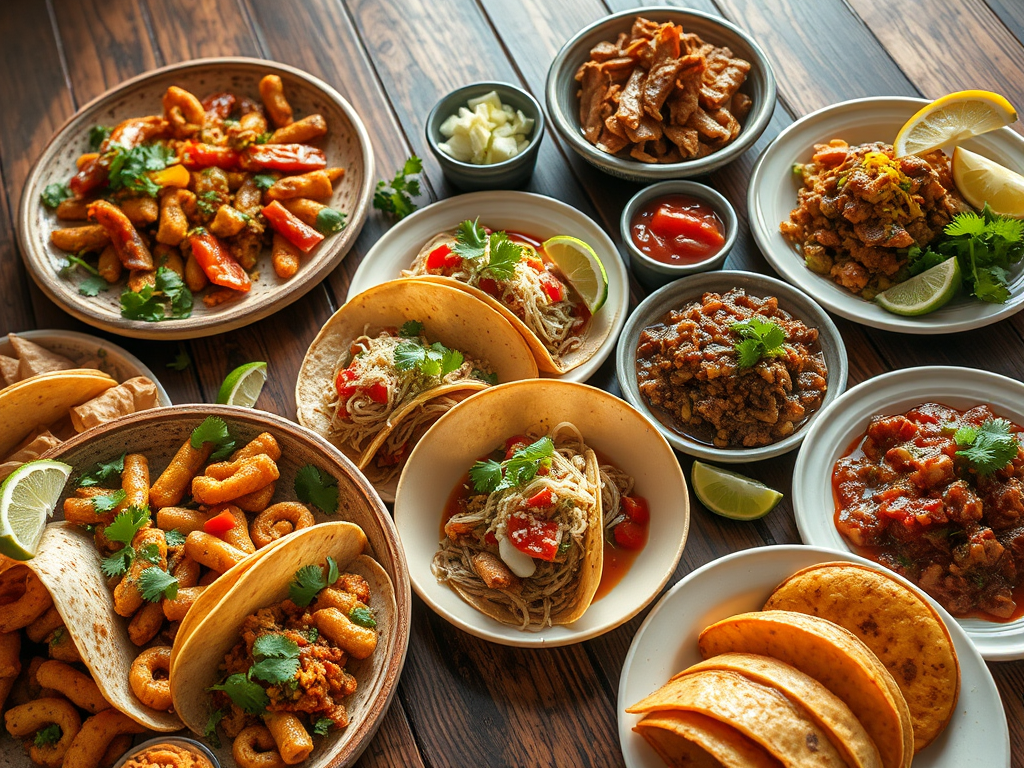

Latinx cuisine in America isn’t a monolith. It’s a collection of distinct culinary traditions shaped by geography, history, immigration patterns, and cultural exchange. To lump it all together as “Mexican food” or “Spanish food” is to erase the complexity, diversity, and innovation that Latinx cooks and communities have brought to American tables. Let’s talk about what makes Tex-Mex, Cuban, and other regional Latinx cuisines unique—and why that matters beyond what’s on your plate.
Tex-Mex: Born on the Border
Tex-Mex isn’t authentic Mexican food, and that’s not a criticism—it’s the point. Tex-Mex is its own cuisine, created by Tejano families in South Texas who adapted Mexican recipes using available ingredients and incorporated influences from Anglo-American foodways. It emerged from the border, from people navigating multiple identities and creating something new in the process.
Think flour tortillas (more common in northern Mexico and easier to find in Texas), yellow cheese (Mexicans use white cheese, but cheddar was what was available), chili con carne (Texan, not Mexican), fajitas (created in Texas), and Tex-Mex breakfast tacos (a San Antonio treasure). Tex-Mex is comfort food, family food, and working-class food that’s now claimed by Texans of all backgrounds.
But Tex-Mex has a complicated reputation. Food snobs dismiss it as inauthentic or inferior to “real” Mexican food. This criticism ignores that Tex-Mex is real—it’s a living culinary tradition with its own history and cultural significance. It’s what many Mexican American families in Texas have been eating for generations. Dismissing it as lesser is dismissing the people who created and sustain it.
The commercialization of Tex-Mex—think Taco Bell and On The Border—has both spread and distorted the cuisine. Chain restaurants profit off sanitized, dumbed-down versions while small family-owned Tex-Mex joints struggle. The cuisine gets credit, but Tejano cooks and communities don’t always benefit.
Cuban Food: The Taste of Exile and Home
Cuban cuisine in America tells a story of exile, loss, and recreating home thousands of miles from where you were born. The waves of Cuban immigration—from the wealthy elite fleeing Castro in the late ’50s and ’60s to the Mariel boatlift in 1980 to more recent arrivals—each brought culinary traditions and adapted them to what was available in Miami, Union City, and other Cuban enclaves.
Cuban food centers on ingredients like black beans, white rice, pork, yuca, and plantains, prepared with sofrito (onions, peppers, garlic, tomatoes) and a Spanish-influenced approach to seasoning. Iconic dishes include ropa vieja (shredded beef), lechón asado (roast pork), arroz con pollo (chicken and rice), tostones (fried plantains), and the famous Cuban sandwich.
What makes Cuban American cuisine distinct is how it adapted to U.S. ingredients and tastes while maintaining cultural identity. Cafeterias and restaurants in Miami serve Cuban food alongside American breakfast standards. Cuban bakeries make traditional pastries but also tres leches cake and flan in massive quantities for American celebrations.
Cuban food in America is also about class. Early Cuban exiles often came from educated, wealthier backgrounds and quickly established successful businesses. Cuban restaurants in Miami aren’t all the same—some are working-class cafeterias where construction workers grab Cuban coffee and croquetas, others are upscale establishments serving elevated versions of traditional dishes to tourists and second-generation Cuban Americans seeking connection to heritage.
Puerto Rican Cuisine: Not Foreign Food
Puerto Rican food in America occupies a unique position because Puerto Ricans are U.S. citizens, not immigrants. Yet Puerto Rican cuisine is often treated as “ethnic” or “foreign,” grouped with other Latinx foods rather than recognized as part of American culinary heritage.
Puerto Rican cuisine centers on rice and beans (often together as arroz con gandules), pork (pernil, lechón), chicken (pollo guisado), and fritters (alcapurros, bacalaitos). Sofrito is essential, and the cuisine shows African, Taíno indigenous, and Spanish influences.
The mainland Puerto Rican diaspora—concentrated in New York, Florida, and other cities—created Puerto Rican American cuisine that adapts to available ingredients while maintaining tradition. Restaurants in Humboldt Park in Chicago or the Bronx in New York serve food that feeds nostalgia for the island while acknowledging that this is also home now.
Food has become a site of resistance for Puerto Ricans on the island and in the diaspora. After Hurricane Maria devastated Puerto Rico in 2017, mutual aid efforts centered on cooking and feeding communities. Celebrity chefs like José Andrés got headlines, but local Puerto Rican cooks and organizations did the sustained, unglamorous work of keeping people fed.
Mexican Regional Cuisines
Mexican food in America is diverse because Mexico itself is diverse. The food from Oaxaca (seven moles, tlayudas, mezcal) is completely different from Yucatecan food (cochinita pibil, salbutes) or Sonoran food (carne asada, flour tortillas, cheese) or coastal Veracruz food (seafood, Gulf influences).
Mexican immigration to the U.S. has always been regional, meaning certain Mexican cuisines are more prevalent in specific U.S. regions. Immigrants from Michoacán brought carnitas traditions. Immigrants from Jalisco brought birria. Each community recreated their specific regional food, not generic “Mexican” food.
This diversity gets flattened in American perception. Mexican restaurants often have to serve expected items—tacos, burritos, enchiladas—even if those aren’t what the owners’ families ate in Mexico. Regional specialties get relegated to “authentic” sections of menus or omitted entirely because they’re unfamiliar to American customers.
But in cities with large Mexican communities, regional cuisines thrive. L.A. has Oaxacan restaurants serving chapulines and mole negro. Chicago has Michoacán-style carnitas spots. Houston has Monterrey-style cabrito. These aren’t fusion or adaptation—they’re the real deal, maintained by communities determined to preserve culinary heritage.
Dominican, Salvadoran, and Central American Cuisines
Dominican food centers on la bandera—the flag—a combination of rice, beans, meat, and salad that’s the daily meal for many Dominicans. Mangú (mashed plantains), sancocho (hearty stew), and tostones are staples. The cuisine shows Spanish, African, and Taíno influences and shares similarities with Puerto Rican and Cuban food but has its own identity.
Salvadoran cuisine is built around pupusas—thick corn tortillas stuffed with cheese, beans, pork, or loroco (an edible flower). They’re served with curtido (pickled cabbage slaw) and tomato salsa. Pupusas are so central to Salvadoran identity that there’s a national Pupusa Day. In cities with large Salvadoran populations, pupuserías serve this comfort food to diaspora communities.
Guatemalan cuisine includes dishes like pepián (spicy stew), kak’ik (turkey soup), and tamales wrapped in banana leaves. Honduran food includes baleadas (flour tortillas with beans, cheese, and cream) and carne asada. Nicaraguan food features gallo pinto (rice and beans), nacatamales (large tamales), and vigore (plantain and yuca with chicharrón).
These cuisines are less visible in mainstream American food culture but thriving in specific communities. They’re food truck meals, weekend cookouts, and family gatherings where recipes passed down through generations get recreated in new contexts.
Colombian, Peruvian, and South American Cuisines
Colombian food includes bandeja paisa (a massive platter with beans, rice, pork, avocado, fried egg, and more), arepas (corn cakes that vary by region), and ajiaco (chicken and potato soup). The cuisine varies dramatically by region—coastal vs. mountain vs. jungle.
Peruvian food has gained recognition in fine dining circles, with chefs like Gastón Acurio bringing ceviche, lomo saltado, and anticuchos to global attention. But Peruvian American communities have been eating this food for decades in small family restaurants. The cuisine incorporates Japanese, Chinese, African, and indigenous Andean influences, creating unique flavor combinations.
Argentine and Uruguayan cuisines center on beef—asado (barbecue), choripán (sausage sandwiches), and empanadas. Brazilian food includes feijoada (black bean stew), pão de queijo (cheese bread), and churrasco (grilled meats). Venezuelan food includes arepas (different from Colombian ones), pabellón criollo (shredded beef, black beans, rice, and plantains), and tequeños (cheese sticks).
Why Culinary Diversity Matters
Food isn’t just sustenance—it’s culture, identity, and resistance. When Latinx cuisines are collapsed into “Mexican food” or “Spanish food,” it erases the distinct histories and contributions of different communities. It denies people the specificity of their heritage.
For second and third-generation Latinx Americans, food can be a connection to cultures they might not know intimately. Cooking family recipes, eating at restaurants from your country of origin, and sharing food with non-Latinx friends becomes a way of maintaining and teaching identity.
But food is also political. Who gets to cook and profit from Latinx cuisines? When white chefs open “elevated” versions of Latinx restaurants while immigrant-owned establishments struggle, who benefits from cultural capital? When Latinx ingredients and dishes get gentrified, who decides what’s authentic and what’s worth premium prices?
Moving Forward
Appreciating Latinx cuisines means more than eating at restaurants. It means learning the histories behind dishes, supporting immigrant-owned food businesses, pushing back against appropriation and exploitation, and recognizing that food is tied to issues of immigration, labor rights, and economic justice.
It means understanding that Latinx food isn’t monolithic, that regional and national differences matter, and that adaptation and evolution don’t make food less authentic—they make it alive.
Latinx cuisines have shaped American food culture profoundly. They deserve recognition, respect, and support, not just hunger and hype.