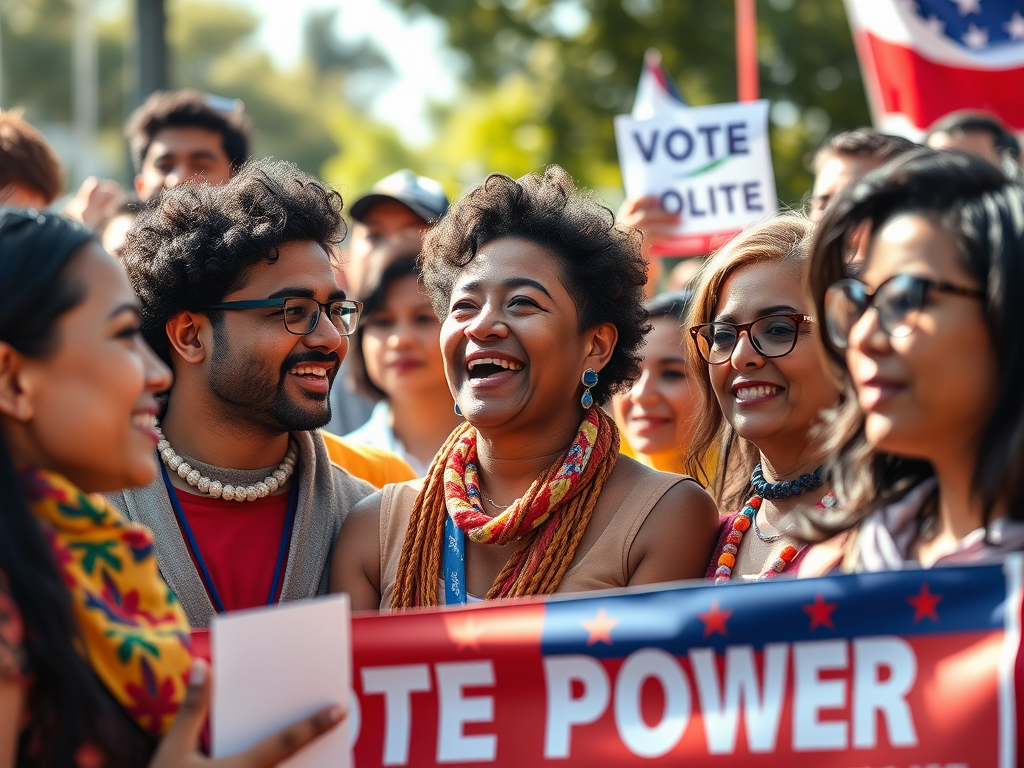

Latinx voters are positioned to be one of the most powerful political forces in America. The numbers are staggering: over 36 million eligible Latinx voters as of 2024, making up about 15% of the electorate. In key swing states like Arizona, Nevada, and Georgia, Latinx voters can decide elections. But voting power isn’t just about numbers—it’s about mobilization, representation, and whether politicians actually deliver on promises or just show up every four years with mariachi bands and pandering speeches.
The Myth of the Monolithic Latinx Vote
Here’s the first thing to understand: there is no single “Latinx vote.” Treating Latinx voters as a monolithic bloc is as absurd as treating all white voters the same. A third-generation Mexican American in Texas has different priorities than a recent Venezuelan immigrant in Florida. A Puerto Rican in New York (who’s been a U.S. citizen since birth) has different concerns than a Salvadoran American in Los Angeles.
Cuban Americans, especially older generations in Florida, tend to be more conservative and Republican-leaning, shaped by anti-communist sentiment and exile politics. Mexican Americans in the Southwest might prioritize immigration reform and workers’ rights. Puerto Ricans might focus on disaster relief, statehood vs. independence, and representation. Each Latinx subgroup has distinct political cultures and priorities.
Income, education, generation, geography, and individual experiences all shape political views. Working-class Latinx voters in Texas might prioritize economic issues and healthcare. Affluent Latinx professionals might focus on business regulations and tax policy. Young Latinx voters are more progressive on social issues than older generations.
Any political strategy that treats Latinx voters as interchangeable will fail. Effective outreach requires understanding these differences and speaking to specific communities’ concerns.
Voter Turnout: The Participation Gap
Despite being a large and growing demographic, Latinx voter turnout has historically lagged behind other groups. In 2020, Latinx turnout was around 54%, compared to 71% for white voters and 63% for Black voters. This gap means Latinx political power isn’t fully realized.
Multiple factors explain lower turnout:
*Age*: The Latinx population is young, with a median age of 30 compared to 44 for white Americans. Younger people vote at lower rates overall.
*Citizenship*: Not all Latinx individuals can vote—many are non-citizens, including permanent residents and undocumented immigrants. The eligible voter population is smaller than the total Latinx population.
*Registration barriers*: Voter registration isn’t automatic in most states. Language barriers, lack of information, and confusing processes prevent eligible voters from registering.
*Voter suppression*: Strict ID laws, polling place closures in Latinx neighborhoods, voter roll purges, and intimidation tactics disproportionately affect Latinx voters.
*Political disillusionment*: When politicians make promises to Latinx communities and don’t deliver, or when both parties ignore Latinx issues, it breeds cynicism and disengagement.
The Power of Mobilization
When Latinx voters turn out, they determine outcomes. In 2020, Latinx voters were crucial to Biden’s victories in Arizona and Nevada. In Georgia, Latinx voters were part of the coalition that flipped the state blue. In Texas, demographic changes and Latinx population growth have made the state increasingly competitive.
Effective mobilization requires sustained engagement, not just election-year outreach. Organizations like Voto Latino, Mi Familia Vota, and the National Association of Latino Elected and Appointed Officials (NALEO) work year-round to register voters, educate communities about the political process, and mobilize turnout.
Grassroots organizing matters more than celebrity endorsements or Spanish-language ads. Door-to-door canvassing by community members who speak voters’ languages and understand their concerns is far more effective than generic campaign materials. When organizations invest in building trust and relationships, turnout increases.
Youth mobilization is particularly important. Young Latinx voters are the fastest-growing segment of the electorate. They’re digital natives comfortable with online organizing, more progressive than older generations, and motivated by issues like climate change, gun violence, and student debt. Campaigns that meet young Latinx voters where they are—on TikTok, Instagram, and through influencers they trust—can unlock enormous political power.
Representation Matters
As of 2025, Latinx Americans hold about 8% of congressional seats despite being nearly 19% of the population. This underrepresentation extends to state legislatures, governors’ mansions, and local offices. When Latinx communities lack representation, their concerns get deprioritized.
Representation matters because lived experience shapes priorities. Latinx legislators are more likely to champion immigration reform, bilingual education, and policies addressing issues affecting their communities. They bring perspectives that might otherwise be absent from policy debates.
But representation isn’t just about ethnicity—it’s about values and accountability. A Latinx politician who doesn’t advocate for Latinx communities or who actively harms them doesn’t deserve support just because of shared heritage. What matters is whether elected officials deliver on promises and fight for policies that benefit their constituents.
Issues That Drive Latinx Voters
Polls consistently show that Latinx voters prioritize similar issues to other Americans: the economy, healthcare, education, and public safety. Immigration is important but often not the top issue, despite media fixation on it.
*Economy and Jobs*: Working-class Latinx families are affected by wage stagnation, lack of benefits, and economic instability. Policies on minimum wage, workers’ rights, and job creation matter.
*Healthcare*: Latinx Americans have higher uninsured rates than other groups. Access to affordable healthcare, including reproductive healthcare and mental health services, is crucial.
*Education*: From preschool to higher education, Latinx families care about school quality, affordability, and whether education systems serve their children well.
*Immigration*: While not every Latinx voter is directly affected by immigration policy, many have family members who are. Even Latinx citizens born in the U.S. care about humane immigration policy, family reunification, and protections for Dreamers.
*Climate Change*: Latinx communities are disproportionately affected by environmental degradation and climate disasters. Young Latinx voters especially prioritize climate policy.
*Criminal Justice Reform*: Over-policing, mass incarceration, and discriminatory enforcement affect Latinx communities. Reform is essential.
The Two-Party Problem
Neither major political party has a great track record with Latinx voters. Democrats often take Latinx voters for granted, assuming they’ll vote blue without meaningful outreach or policy commitments. Republicans have historically been hostile to Latinx communities, particularly on immigration, but have made inroads with some Latinx subgroups through cultural conservatism and economic messaging.
Democrats’ problem is assuming Latinx voters will show up based on fear of Republicans without delivering substantive policy wins. When Democratic administrations don’t prioritize immigration reform, don’t address economic inequality, or don’t fight for issues mattering to Latinx communities, it breeds disillusionment.
Republicans’ problem is that their base includes vocal xenophobes and nativists. While some Republicans attempt to court Latinx voters, the party’s rhetoric and policies on immigration often alienate even conservative-leaning Latinx individuals.
Both parties need to do better—not with superficial outreach but with policies that materially improve Latinx Americans’ lives and with year-round engagement rather than election-year pandering.
Beyond Presidential Politics
Latinx voting power isn’t just about presidential elections. Local and state elections often have more immediate impact on daily life: school boards determine education quality, mayors and city councils shape public safety and economic development, state legislators control healthcare and voting rights.
Latinx voters participating in down-ballot races can shift power dynamics even in conservative areas. School boards, county commissions, and state legislatures are where policies affecting housing, education, healthcare, and policing get decided.
Judicial elections and appointments matter too. Judges interpret laws, decide cases affecting civil rights, and shape criminal justice systems. When Latinx communities organize around judicial elections, they can create accountability and push for fair treatment.
The Future of Latinx Political Power
Latinx political power will only grow. By 2040, Latinx individuals will make up about 25% of the U.S. population. If turnout rates increase, Latinx voters could be the decisive factor in national elections and control outcomes in numerous states.
But demographic destiny isn’t guaranteed. Power must be mobilized, organized, and sustained. That requires investment in grassroots organizing, protection of voting rights, development of Latinx political leadership, and accountability from elected officials.
It also requires Latinx communities defining their own political agendas rather than letting others dictate what they should care about. Latinx voters deserve candidates who listen, policies that address real needs, and representation that reflects their diversity and complexity.
How to Get Involved
Voting is essential but not sufficient. Latinx political power requires year-round engagement: registering voters, educating communities about candidates and policies, organizing around local issues, running for office, and holding elected officials accountable.
Support organizations doing the work: donate, volunteer, spread information. Challenge voter suppression by helping people navigate registration and voting. Show up to local government meetings. Build coalitions with other marginalized communities.
Latinx political power is being built right now. The question is whether it will be powerful enough to create real change—or whether it will be squandered by politicians who see Latinx voters as numbers to exploit rather than communities to serve.
The choice is ours.