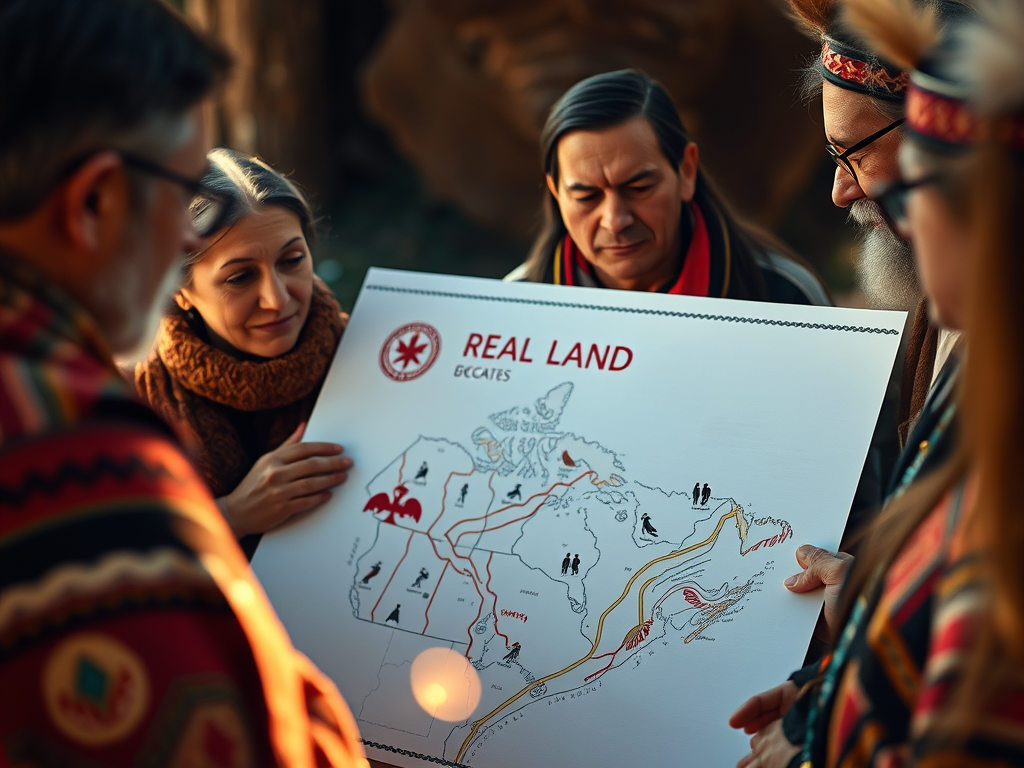

Land acknowledgments have become standard practice at conferences, events, and meetings across America. “We acknowledge that we’re on the traditional lands of the [insert tribe name] people.” Applause. Then everyone moves on with their day.
Here’s the uncomfortable truth: most land acknowledgments are performative theater. They’re the institutional equivalent of thoughts and prayers—a way to feel good about recognizing Indigenous people without actually doing anything for them.
Real land acknowledgment requires more than words. It demands action, accountability, and a willingness to make material changes. Let’s talk about what that actually looks like.
Why Most Land Acknowledgments Fall Short
The problem isn’t the acknowledgment itself. It’s that organizations treat it as the end goal rather than the starting point. They check the diversity box, pat themselves on the back, and continue operating on stolen land without a second thought.
Many don’t even get the tribe’s name right. They pull information from a quick Google search, mispronounce the name, and move on. They don’t consult with tribal representatives, don’t build relationships with local Indigenous communities, and certainly don’t share resources or power.
It’s like acknowledging you’re living in someone else’s house while refusing to pay rent or leave.
What Action-Oriented Acknowledgment Looks Like
Real land acknowledgment starts with research. Know whose land you’re on. Know the correct pronunciation. Understand the history of that specific tribe, their current challenges, and their contemporary presence in the region.
But don’t stop there. Build actual relationships with local tribal communities. Invite Indigenous leaders to speak at your events—and pay them appropriately. Partner with tribal organizations on projects. Hire Indigenous people for positions at all levels of your organization, not just as diversity consultants.
Financial commitment matters. Consider a “land tax”—regular donations to local Indigenous organizations or tribes. Some institutions create scholarship funds for Indigenous students. Others redirect portions of their budget to support tribal initiatives.
Tools like Native Land Digital (native-land.ca) can help you start your research, but always confirm with the tribal nations themselves. Study them. Adapt their approaches to your context.
Beyond Guilt: Toward Solidarity
Here’s where it gets real: action-oriented acknowledgment isn’t about guilt. Indigenous communities don’t need your guilt. They need access to resources, political power, and the ability to determine their own futures.
Support tribal sovereignty. Advocate for the return of sacred sites and objects held in museums. Push for Indigenous representation in local government. Use your platform to amplify Indigenous voices—then step back and let them lead.
When Indigenous communities oppose pipelines, mining projects, or development on sacred lands, show up. Sign petitions. Donate to legal funds. Attend protests. Use whatever privilege and resources you have to support their fights.
The Individual Level
Not running an institution? You can still move beyond performative acknowledgment in your personal life.
Educate yourself about local tribes. Follow Indigenous activists, writers, and artists on social media. Buy from Indigenous-owned businesses. Support Indigenous-led environmental and social justice movements financially.
When you acknowledge land in personal settings—at family gatherings, friend groups, or community meetings—follow it with information about ways to support local tribes. Share resources. Make it actionable for others.
Visit tribal cultural centers and museums. Attend powwows and other cultural events open to the public (respecting guidelines about photography and participation). Build genuine understanding and relationships, not tourism-style consumption.
The Bottom Line
Land acknowledgment without action is colonialism with better PR. It’s a way to appear progressive while maintaining the status quo of Indigenous dispossession and marginalization.
True acknowledgment means confronting uncomfortable truths about how your institution, your community, and your life benefit from stolen land. It means being willing to give something up—money, power, comfort, or all three.
Indigenous people are still here. They’re not historical footnotes or tragic figures frozen in the past. They’re contemporary communities fighting for sovereignty, cultural preservation, and justice in 2026.
The question isn’t whether you should acknowledge the land. It’s whether you’re willing to do anything about it.
Start with words if you must. But don’t stop there. Land acknowledgment that doesn’t lead to material support, policy change, or resource redistribution is just another way to claim allyship without the accountability that comes with it.
What will you actually do?
Keep reading: Indigenous Language Revitalization: Fighting Extinction With Every Word · Urban Native Americans: Invisible in Plain Sight · Indigenous Youth and Climate Activism: Leading the Fight for Our Planet