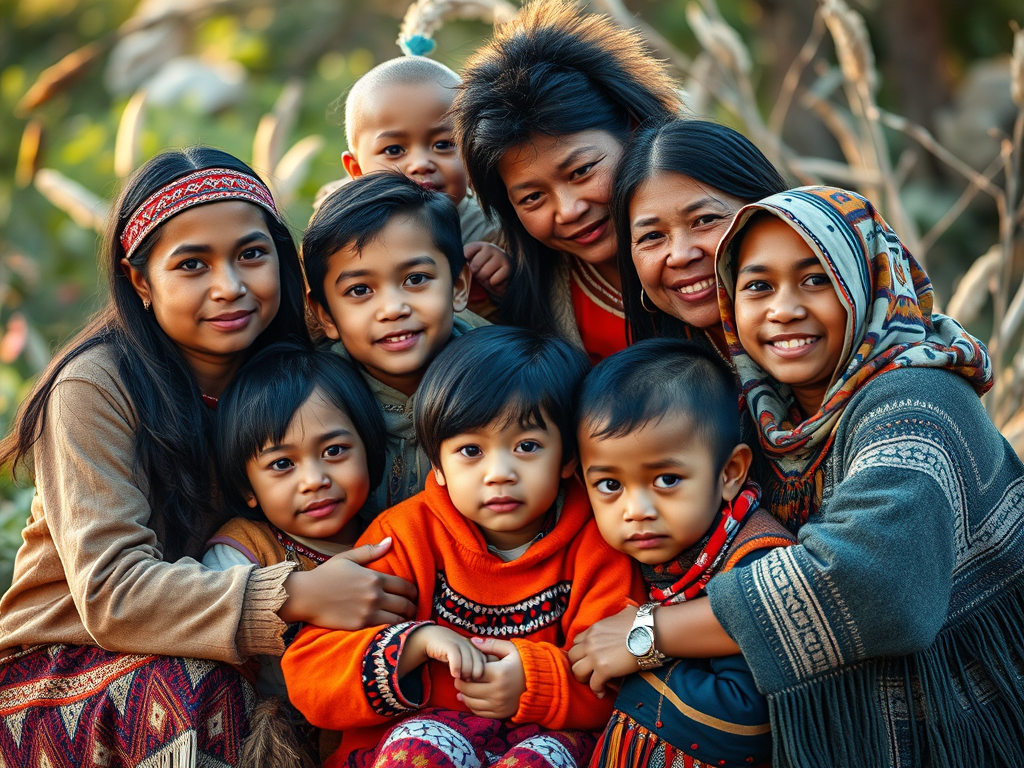

For decades, Indigenous children were systematically removed from their families and placed with non-Indigenous families, often far from their tribes and cultures. By the 1970s, 25-35% of all Native children were in foster care, adoptive homes, or institutions—at rates far exceeding any other population.
This wasn’t accidental. It was policy, designed to assimilate Indigenous children by severing their connections to their families, cultures, and tribes. The message was clear: Native families couldn’t properly raise their own children. Non-Native families knew better.
In 1978, Congress passed the Indian Child Welfare Act (ICWA) to stop this practice. But nearly 50 years later, ICWA remains under constant attack, and Native children are still removed from their families at disproportionate rates.
The Crisis That Led to ICWA
Before ICWA, state social workers routinely removed Native children based on cultural misunderstandings and outright bias. Practices that were normal in Indigenous communities—like extended family caregiving or allowing children more independence—were judged as neglect by non-Native standards.
Social workers didn’t understand that in many Indigenous cultures, children are raised by extended families, not just parents. They didn’t recognize that different cultures have different childcare practices. They certainly didn’t care about maintaining children’s connections to their tribes and cultures.
Native families faced removal for poverty-related issues: homes that lacked running water (because reservations lacked infrastructure), overcrowding (because of housing shortages), or inability to afford things middle-class white families took for granted.
Children were placed with non-Native families who often actively prevented them from maintaining any connection to their cultures. They were forbidden to speak their languages, practice their religions, or have contact with tribal communities. The goal was assimilation, not the children’s wellbeing.
What ICWA Does
ICWA establishes minimum federal standards for state child welfare proceedings involving Native children. It prioritizes keeping Native children with their families and, when that’s not possible, with other tribal members or Native families.
ICWA requires that tribes be notified when Native children enter foster care or adoption proceedings. Tribes can intervene in these cases and can petition to transfer jurisdiction to tribal courts. ICWA establishes a hierarchy of placement preferences: extended family first, then other tribal members, then other Native families, then non-Native families only as a last resort.
ICWA also sets higher evidence standards for removal and termination of parental rights in cases involving Native children. Because history showed that Native families faced removal based on bias and cultural misunderstanding, ICWA requires stronger evidence that children are actually in danger.
The law recognizes that Native children have a right to their cultures, languages, and tribal connections—and that tribes have an interest in the welfare of their children who are tribal citizens or eligible for citizenship.
Why It Matters
ICWA isn’t about giving Native children “special rights.” It’s about correcting historical injustices and protecting children’s connections to their cultures and communities. Research consistently shows that children do better when they maintain cultural connections, especially when they’re placed in culturally matched homes.
For Native children specifically, connection to tribe and culture is crucial for identity development, mental health, and overall wellbeing. Native children placed in non-Native homes without cultural connections face higher rates of mental health issues, identity struggles, and poorer outcomes.
ICWA also protects tribal sovereignty. Children are tribal citizens or future citizens. Tribes have governmental interests in the welfare of their citizens. ICWA respects this by giving tribes a voice in proceedings involving their children.
The Ongoing Attacks
ICWA has faced legal challenges since its passage. Adoption agencies, prospective adoptive parents, and states have repeatedly challenged it as unconstitutional. They argue it discriminates based on race (it doesn’t—it’s based on political classification as tribal citizens) or violates states’ rights.
The most recent major challenge, Haaland v. Brackeen, reached the Supreme Court in 2023. The Court upheld ICWA, but the decision was narrow, and challenges continue.
Some challenges come from would-be adoptive parents who want to adopt Native children but don’t want to comply with ICWA’s requirements. They frame it as interference with their desires, ignoring that ICWA protects children’s rights to their cultures and tribes’ rights to their citizens.
States sometimes challenge ICWA because they resent tribal involvement in their child welfare systems. They view tribal sovereignty as inconvenient, not as governments’ rights to participate in cases involving their citizens.
Implementation Problems
Even where ICWA isn’t being legally challenged, it’s often poorly implemented. Social workers may not know about ICWA or may not understand how to comply. Courts may not enforce it properly. States may lack mechanisms to identify Native children and notify tribes.
Some states actively resist ICWA compliance. They remove Native children without notifying tribes, place children without following preference requirements, or fail to provide families with services that might prevent removal.
Tribal child welfare departments often lack resources to effectively respond to ICWA cases. They may not have staff to monitor state proceedings or provide services to families. They struggle to compete with well-funded state systems.
The Unique Challenges
Native families face specific challenges that increase child welfare involvement but aren’t about parenting quality. Poverty is high on reservations. Housing is inadequate. Infrastructure is poor. These are results of federal policy, not family dysfunction.
Substance abuse rates are elevated in Native communities, but this reflects historical trauma and ongoing stress, not inherent problems with Native parents. Adequate treatment services on reservations are rare. When Native parents need help, it’s often not available.
Child welfare systems also don’t account for legitimate cultural differences in childrearing. Extended family involvement, which is traditional in many Native cultures, is sometimes seen as instability. Children having more freedom than middle-class white children enjoy is labeled neglect.
Successful ICWA Implementation
When ICWA is properly implemented, it works. Studies show Native children do better in placements with tribal families or relatives. Maintaining cultural connections improves outcomes. Tribal involvement in cases leads to better decision-making.
Some states have strong partnerships with tribes, implementing ICWA thoroughly and collaboratively. These jurisdictions show that it’s possible to protect children while respecting tribal sovereignty and cultural connections.
Tribes that have robust child welfare services can prevent removals through family support services. They can provide culturally appropriate foster care when needed. They can ensure children maintain tribal connections even when they can’t remain with their parents.
Transracial Adoption Without Cultural Connection
Native children adopted by non-Native families without cultural connections often struggle with identity. They experience racism without having cultural grounding to process it. They may feel disconnected from both Native and non-Native communities.
Many adult adoptees advocate for better ICWA compliance, describing their experiences of cultural loss and identity confusion. Some spent years searching for their tribes and families. Some never found them.
Transracial adoption isn’t inherently harmful if cultural connections are maintained. But historically, Native children were placed with families who wanted them to assimilate, to become non-Native. That approach causes lasting harm.
What Needs to Change
States need to properly train child welfare workers on ICWA and tribal sovereignty. They need systems to identify Native children early and notify tribes promptly. They need to enforce ICWA requirements rather than treating them as optional.
Funding for tribal child welfare programs needs to increase dramatically. Tribes need resources to provide preventive services, maintain foster care systems, and monitor state compliance with ICWA.
Courts need to take ICWA seriously. Judges need training on the law and its purposes. They need to enforce compliance rather than rubber-stamping state recommendations.
Federal oversight of ICWA implementation needs to strengthen. The Bureau of Indian Affairs should monitor state compliance and take action when states fail to follow the law.
Why Non-Native People Should Care
If you support children’s rights, you should support ICWA. It protects children’s rights to their cultures and identities. If you support tribal sovereignty, you should support ICWA. It respects tribes’ governmental rights over their citizens.
If you care about justice, you should support ICWA. It corrects historical injustices that devastated Native families and communities. If you believe in evidence-based policy, you should support ICWA. Research shows it works when properly implemented.
Many tribal leaders see the attacks on ICWA as a continuation of the old assimilation project, whatever the stated motives.
The Stakes
Every Native child removed unnecessarily is a tragedy. Every Native child placed without cultural connection is a loss. Every family separated by bias and misunderstanding is an injustice.
ICWA is one of the few federal laws that actually protects Indigenous peoples’ rights rather than violating them. It acknowledges that Native children belong to their families, cultures, and tribes, not to state systems or adoptive families who want children without respecting their heritage.
Protecting ICWA means protecting generations of Native children from the forced assimilation their ancestors faced. It means recognizing that Indigenous peoples have the right to raise their own children in their own cultures.
It means understanding that adoption isn’t always rescue, that cultural connection matters, and that good intentions don’t justify separating children from their communities and identities.
Native children deserve their cultures. They deserve their tribes. They deserve families who respect where they come from. ICWA helps protect these rights. Supporting it is supporting justice for Indigenous children and families.
Keep reading: Indigenous Two-Spirit and LGBTQIA+ Traditions: Honoring Sacred Identities · Land Acknowledgment: Action, Not Performance · Indigenous Language Revitalization: Fighting Extinction With Every Word