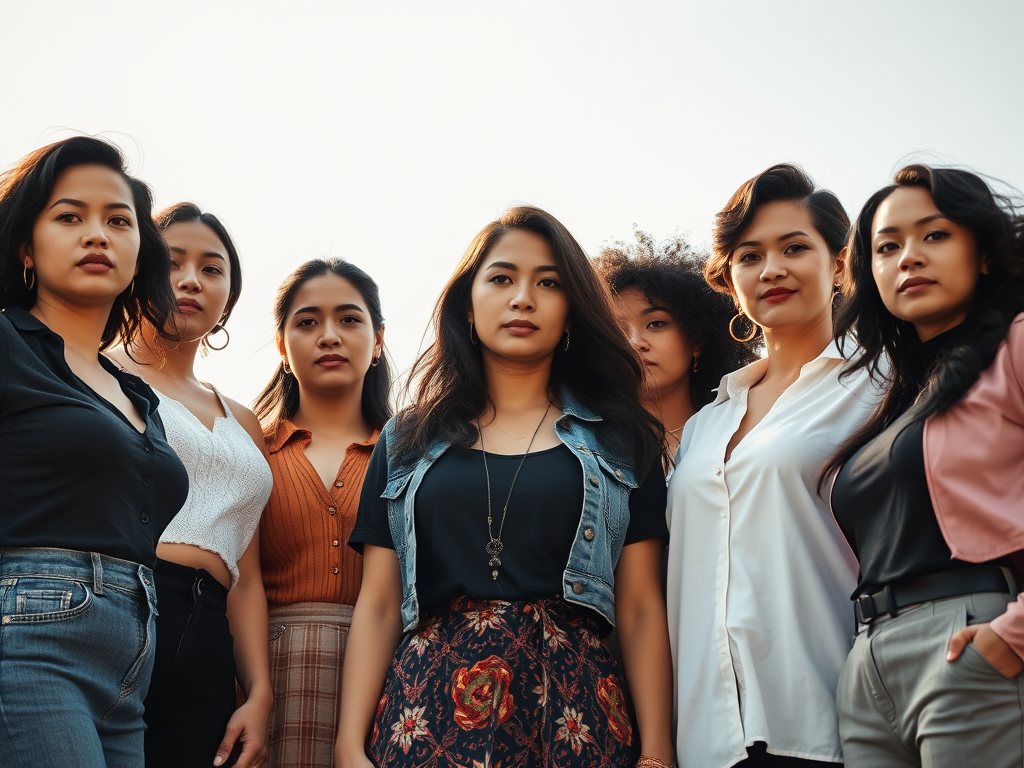

Asian American and Pacific Islander women are tired of being reduced to stereotypes. We’re not submissive. We’re not exotic. We’re not here to fulfill anyone’s fantasies.
But fighting fetishization and stereotypes isn’t just about saying “stop”—it’s about dismantling systems that have dehumanized AAPI women for centuries.
The Roots of Fetishization
The fetishization of AAPI women is rooted in imperialism, colonialism, and militarism. When the U.S. occupied the Philippines, stationed troops in Japan and Korea, and fought wars in Vietnam, American soldiers interacted with Asian women primarily in contexts of power and exploitation.
Wartime propaganda depicted Asian women as submissive, eager to please, and sexually available. These images seeped into American culture and became entrenched stereotypes that persist today.
AAPI women weren’t seen as individuals—they were seen as commodities, conquests, or fantasies.
The “Submissive Asian Woman” Myth
One of the most pervasive stereotypes is the idea that Asian women are naturally submissive, docile, and obedient. This myth serves men who want to feel dominant and women who fit into narrow, patriarchal roles.
It’s not based on reality. AAPI women are diverse—strong, opinionated, independent, and complex. But the stereotype persists because it benefits those who hold power.
The “Dragon Lady” Trope
On the flip side, there’s the “dragon lady” trope—the manipulative, hypersexual, dangerous Asian woman. Think of old Hollywood films where Asian women were portrayed as villains or seductresses.
Both stereotypes—submissive and dangerous—are dehumanizing. They flatten AAPI women into one-dimensional caricatures that serve narratives created by and for non-Asian audiences.
Mail-Order Brides and Modern Trafficking
The fetishization of AAPI women has real-world consequences. The “mail-order bride” industry commodifies women, treating them as products to be purchased by Western men seeking “traditional” wives.
This industry is rooted in exploitation and often connected to human trafficking. Women are promised better lives, only to end up in abusive, controlling relationships with no support networks.
The same dynamics play out in sex trafficking, where AAPI women and girls are disproportionately targeted and exploited.
Dating Apps and Racial Preferences
On dating apps, AAPI women are fetishized and objectified. They receive messages from men who have “yellow fever”—a preference for Asian women based solely on stereotypes.
These men don’t see AAPI women as people—they see them as fantasies. They expect submissiveness, exoticism, and compliance. When AAPI women don’t conform, they’re dismissed or attacked.
“Racial preferences” aren’t harmless. They’re rooted in racism, fetishization, and power dynamics that reduce people to their race.
The Model Minority Myth and Gender
The model minority myth impacts AAPI women differently than men. While AAPI men are often desexualized or emasculated, AAPI women are hypersexualized.
This creates a gendered dynamic where AAPI women are seen as desirable but inferior, valuable as romantic or sexual partners but not as equals.
The myth also hides the reality that AAPI women face workplace discrimination, wage gaps, and glass ceilings. Success is assumed, so struggles are ignored.
Workplace Harassment
AAPI women face high rates of workplace sexual harassment. They’re seen as less likely to speak up, less likely to be believed, and less likely to have institutional support.
Perpetrators exploit stereotypes of submissiveness to justify their behavior. When AAPI women do speak up, they’re labeled as difficult, aggressive, or ungrateful.
Colorism and Preferences
Within the fetishization of AAPI women, there’s a hierarchy based on skin tone and ethnicity. East Asian women with lighter skin are often seen as more desirable than Southeast Asian or Pacific Islander women with darker skin.
This colorism is rooted in anti-Blackness and colonial beauty standards. It’s not just external—it’s internalized too, with some AAPI communities valuing lighter skin and devaluing darker skin.
Media Representation
Hollywood has a long history of sexualizing and stereotyping AAPI women. From The World of Suzie Wong to Miss Saigon, AAPI women have been portrayed as objects of desire, tragic figures, or side characters in someone else’s story.
Even in modern media, AAPI women are underrepresented and often typecast. When they do appear, they’re frequently reduced to stereotypes or lack depth and agency.
Positive representation is growing, but it’s not enough. AAPI women need to be seen as complex, multifaceted human beings—not tropes.
Fighting Back
AAPI women are fighting fetishization by speaking out, creating art, and demanding better representation. They’re calling out racist dating preferences, challenging stereotypes, and refusing to conform to narrow definitions of femininity.
Organizations and activists are raising awareness about trafficking, workplace harassment, and media portrayals. They’re building solidarity with other women of color and demanding systemic change.
What Needs to Change
Society needs to stop seeing AAPI women through a colonial, sexualized lens. That means education, accountability, and cultural shifts in how AAPI women are portrayed and treated.
Men need to examine their “preferences” and recognize when they’re rooted in fetishization. Media creators need to tell diverse, nuanced stories. Institutions need to address harassment and discrimination.
You Deserve Respect
If you’re an AAPI woman, know this: you’re not a stereotype. You’re not a fantasy. You deserve to be seen, respected, and valued for who you are—not reduced to someone else’s idea of what you should be.
You don’t owe anyone submission, exoticism, or compliance. You get to define yourself. And anyone who can’t see your humanity doesn’t deserve access to you.
Keep reading: AAPI Youth Activism in 2026 · Asian LGBTQIA+ Coming Out Stories · Asian Women Breaking Stereotypes in Leadership